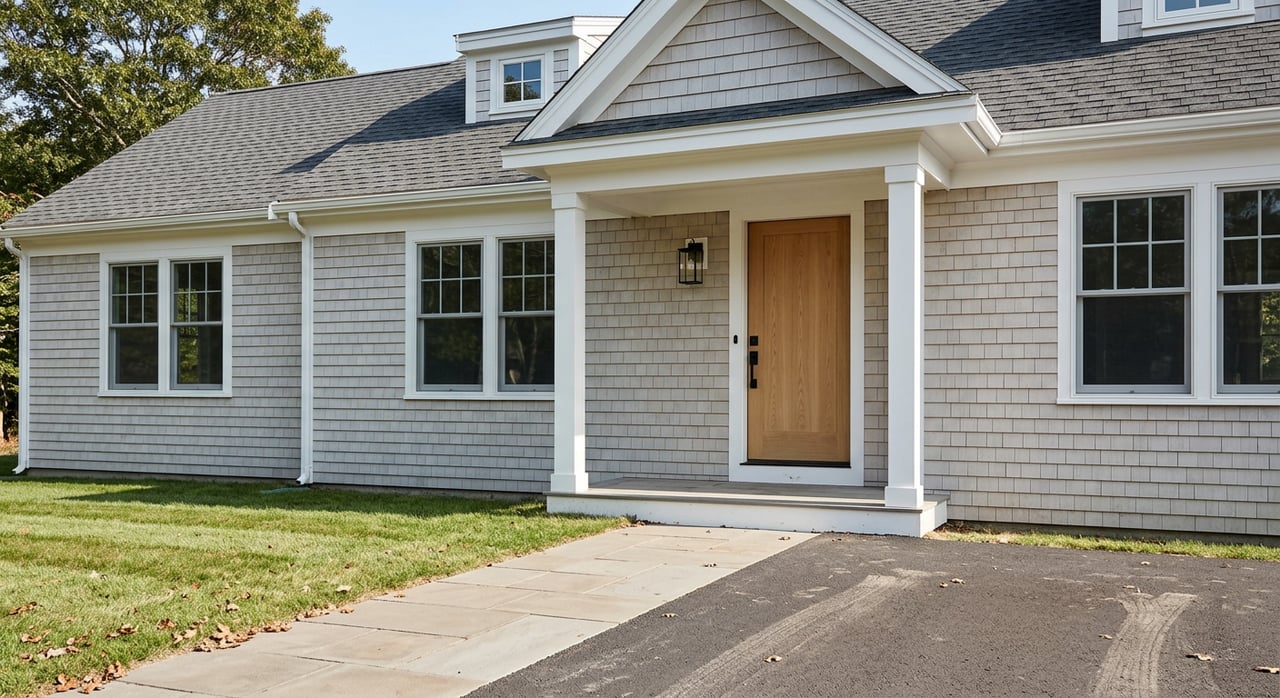
Thinking about a brand-new home in Shelton or a well-kept resale with character and a quicker move-in? You are not alone. Many Shelton buyers weigh maintenance, location, price, and timing to find the best fit. In this guide, you will learn how new construction and resale homes compare in Shelton today, where each option shines, and how to choose with confidence. Let’s dive in.
Shelton market snapshot
Shelton’s market has been active and competitive, with limited inventory and steady demand through 2024 and 2025. Local reporting and market trackers show median sale prices hovering around the 500k range in 2025. Recent snapshots confirm ongoing buyer interest and a generally tight market. You can see summary trends in regional data coverage that track Shelton’s pricing and inventory patterns in the $500k band. PropertyShark’s market trends page for Shelton provides helpful context.
New development has accelerated, especially for apartments near Bridgeport Avenue and River Road. Local coverage highlights multiple projects and conversions along the corridor that are changing the mix of housing near downtown. For example, recent reporting documents new apartment buildings and a former extended-stay hotel converting to rentals on or near Bridgeport Avenue. See the local development roundup for details.
Where new construction is happening
Huntington Center and nearby infill
Builders have focused on small, luxury infill near the Huntington Green. Recent examples include a limited number of to-be-built colonials roughly 3,250 square feet on about 0.37 to 0.4 acre lots. These offerings have been marketed around the $1.19M range, which reflects the premium for new construction in a walkable village setting with high-end finishes. If you want a newer home close to the green and local dining, this is the epicenter.
Bridgeport Avenue and Town Center
Most recent activity near Town Center has been multifamily and adaptive reuse rather than single-family homes. That means more rental choices, plus added services and energy downtown, but relatively few new single-family lots right in the corridor. Local reporting outlines several projects adding units near Bridgeport Avenue.
River Road and other corridors
Developers have leveraged tools like Connecticut’s 8-30g statute and targeted approvals to add multifamily in select spots, including riverfront corridors. The effect is more housing variety in defined areas rather than broad single-family subdivision waves. Industry coverage explains where and why multifamily is growing across Fairfield County.
Resale neighborhoods at a glance
Huntington Village
Huntington offers historic charm, a walkable green, and a mix of older homes and select new infill. The Huntington Center Historic District is listed on the National Register, which helps explain the area’s appeal for those who value a classic village setting. Read about the district’s history and boundaries. Updated homes near the green can command a premium, while older properties with project potential can price below town medians.
White Hills
White Hills leans spacious and green. Larger lots, more privacy, and a suburban to semi-rural feel are common. It spans a wide price range depending on home size and finish, from mid-market to higher-end. If outdoor space tops your list or you want a setting that feels more private, White Hills is worth a close look.
Pine Rock Park
Pine Rock Park is an established neighborhood with a mix of mid-century and later single-family homes plus some townhome developments. Lot sizes are typically more modest than in White Hills. Turnover is steady, and you will see a range of homes by size and condition.
Near Town Center and the Bridgeport Avenue corridor
Single-family supply near Town Center is more limited and often older than in other parts of town. The trade-off is proximity to services, dining, and major roads. With more apartments and mixed uses arriving, the area offers convenience that may reduce daily drive times for errands and commutes.
Cost comparison: new construction vs resale
New construction often prices above local medians, especially in luxury infill locations like Huntington Center. That premium reflects new systems, energy efficiency, modern layouts, and warranties. At the same time, national data shows the price gap between new and existing homes narrowed in 2024 and 2025 as builders adjusted pricing and offerings. NAHB-cited reporting shows new-home prices dipping and the gap with existing homes shrinking. Your best move is to compare what is on the market in Shelton today by neighborhood and finish level.
For resale, prices vary by lot size, age, and updates. Huntington Village and White Hills illustrate how a move-in ready home with updates can price well above the town’s midline, while a home that needs work may trade below it. If you are flexible on updates or timing, a resale can deliver strong value, especially with a larger lot.
Ownership costs and risk
New construction
New homes typically mean lower near-term maintenance. You get new mechanicals, roof, windows, and finishes, plus warranty coverage that reduces the risk of big surprises. Many builders use a familiar “1-2-10” style approach that covers workmanship for about one year, distribution systems for about two, and qualifying structural defects for longer if backed by a third party. Ask for the exact warranty booklet and any insurance-backed structural protection. This overview from a leading structural warranty provider explains common coverage.
Resale
Older homes can have immediate needs. A helpful rule of thumb is to budget about 1 percent of the home’s value per year for maintenance, with 2 to 3 percent for older properties. That creates room for routine upkeep and major items over time such as HVAC, roofs, or sewer and septic work. Here is a plain-English breakdown of true ownership costs.
Lot size, privacy, and lifestyle
If you want a larger yard, established neighborhoods like White Hills often offer 0.5 to 2 or more acres. Huntington’s village core tends to have smaller lots, and new infill typically follows that pattern too. Think about how you plan to use outdoor space, whether you need room for a garden or outbuildings, and how much yard work you want to manage.
Commute and access
Shelton residents report a mean commute time around 28 to 30 minutes, reflecting access to Route 8 and connections to regional job hubs. Your exact drive depends on the address and time of day, so test routes during peak hours to any regular destinations. Census Reporter provides a quick snapshot of commute patterns in Shelton.
Timelines to move in
- Resale: Most buyers can close in 30 to 60 days, depending on financing, inspections, and negotiation.
- Spec or quick move-in new homes: Expect about 60 to 120 days if the home is well along and permits are in place.
- Build from a lot: National norms suggest 6 to 9 months for a straightforward spec from groundbreaking, and 9 to 14 or more months for custom. See a clear overview of typical build timelines.
Locally, verify permit status and utility connections. Recent reporting shows a rise in zoning compliance activity in Shelton and notes that some projects have seen delays tied to permits or sewer. That can add months if you are building from scratch. Review the local context around zoning and permitting activity.
Financing and incentives
Builders have used incentives more often in the last two years as buyers became more rate sensitive. You may see rate buydowns, closing cost credits, or upgrade allowances. Compare options by their effect on your monthly payment and total cost over the first several years. Also confirm that the home will appraise at or above the contract price, since short appraisals can change your cash-to-close.
How to choose: a quick checklist
- Clarify your top three priorities: timing, location, or lot size.
- Compare total monthly cost, not just price: principal and interest, taxes, insurance, and HOA where relevant.
- For new builds: ask for the full warranty booklet, verify permits and utility hookups, and price out incentives vs a straight price reduction.
- For resale: schedule a thorough inspection and any specialty checks needed, then set a realistic maintenance reserve using the 1 to 3 percent rule.
- Walk the neighborhood at different times of day. Check traffic, noise, and access to daily needs.
- Map your commute during peak hours from each address on your shortlist.
Example move-in timelines
- Resale purchase: 45 days is common with clean inspections and loan approval.
- Quick move-in new home: 2 to 4 months depending on construction stage and builder schedule.
- Lot plus custom build: 9 to 18 months including permits and site work, with potential delays for utilities or approvals.
The bottom line
New construction in Shelton gives you modern design, energy efficiency, and warranty peace of mind, often in select infill spots like Huntington Center. Resale expands your lot size options, speeds up your move, and may lower your entry price while offering classic neighborhood settings. When you compare real timelines, total monthly cost, and how you want to live day to day, the right choice usually becomes clear.
If you want a local, senior-led team to help you weigh your options and negotiate the best outcome, reach out to The John Hackett Team. We will help you compare neighborhoods, validate pricing, and line up inspections or builder due diligence so you can move forward with confidence.
FAQs
How competitive is Shelton’s housing market right now?
- Local reporting shows steady demand and limited inventory with median prices around the 500k range in 2025, which supports a competitive environment for well-priced homes.
Where is most new construction happening in Shelton?
- Activity is concentrated in small luxury infill near Huntington Center and in multifamily projects along Bridgeport Avenue and River Road, based on recent local coverage.
What warranties do Shelton new-home buyers typically receive?
- Many builders provide multi-tier coverage similar to a 1-2-10 format, but always request the exact booklet to confirm what is covered and for how long.
How long does it take to build a new home in Shelton?
- A straightforward spec home can take about 6 to 9 months from groundbreaking, while custom builds often run 9 to 14 or more months plus permitting time.
What maintenance budget should I plan for a resale home in Shelton?
- A useful guideline is about 1 percent of the home’s value per year for maintenance, and up to 2 to 3 percent for older properties or homes needing updates.
Does living near Town Center reduce commute time in Shelton?
- Commute times vary by address and route, but proximity to services and major roads can reduce daily drive time. Test your route during peak hours to be sure.