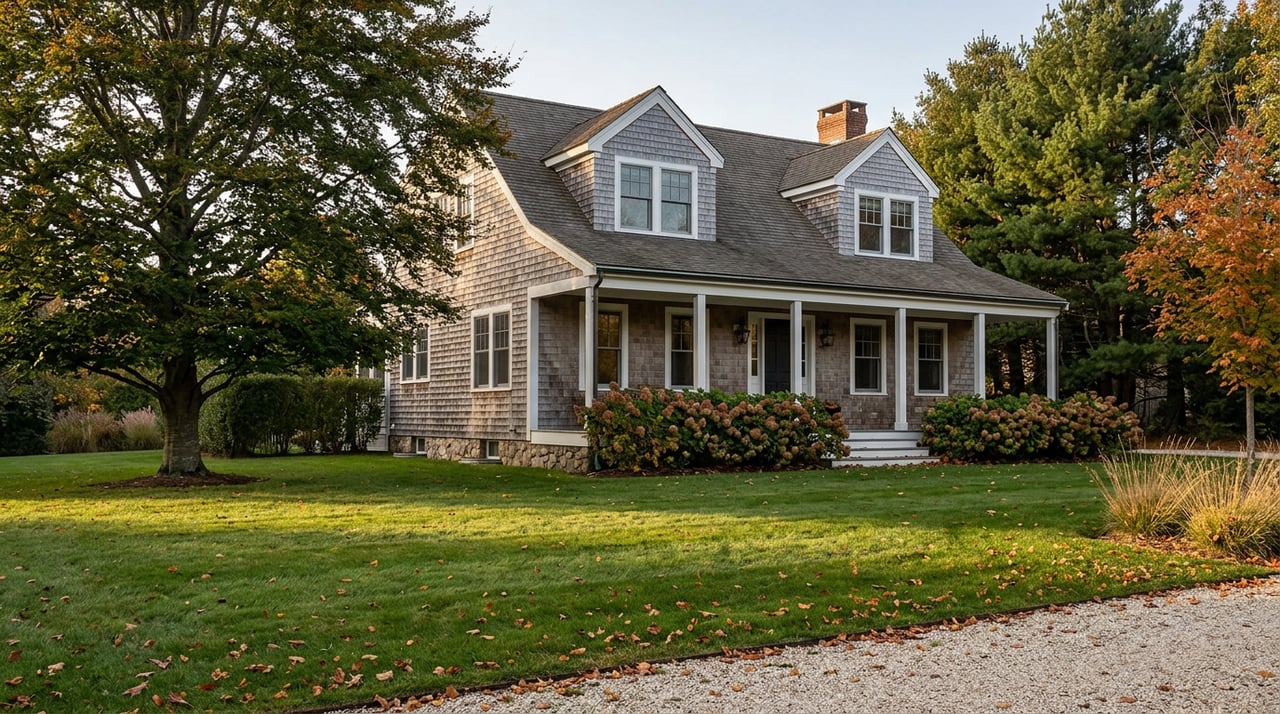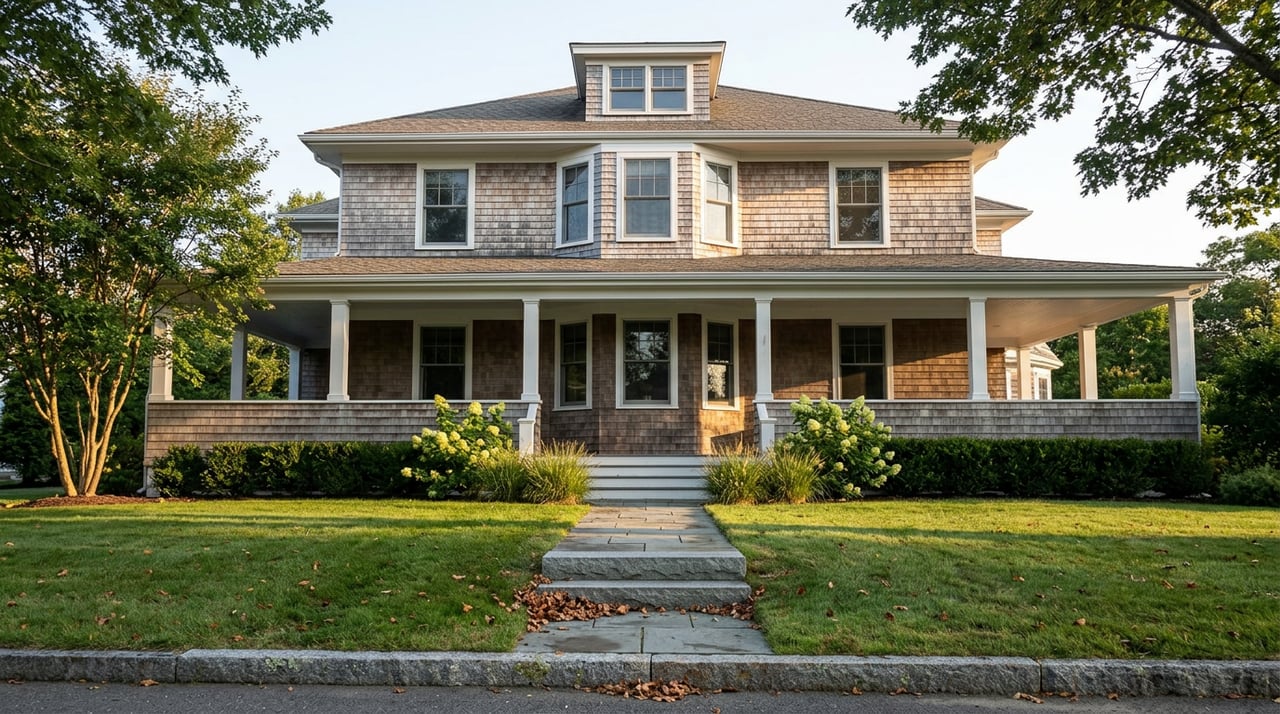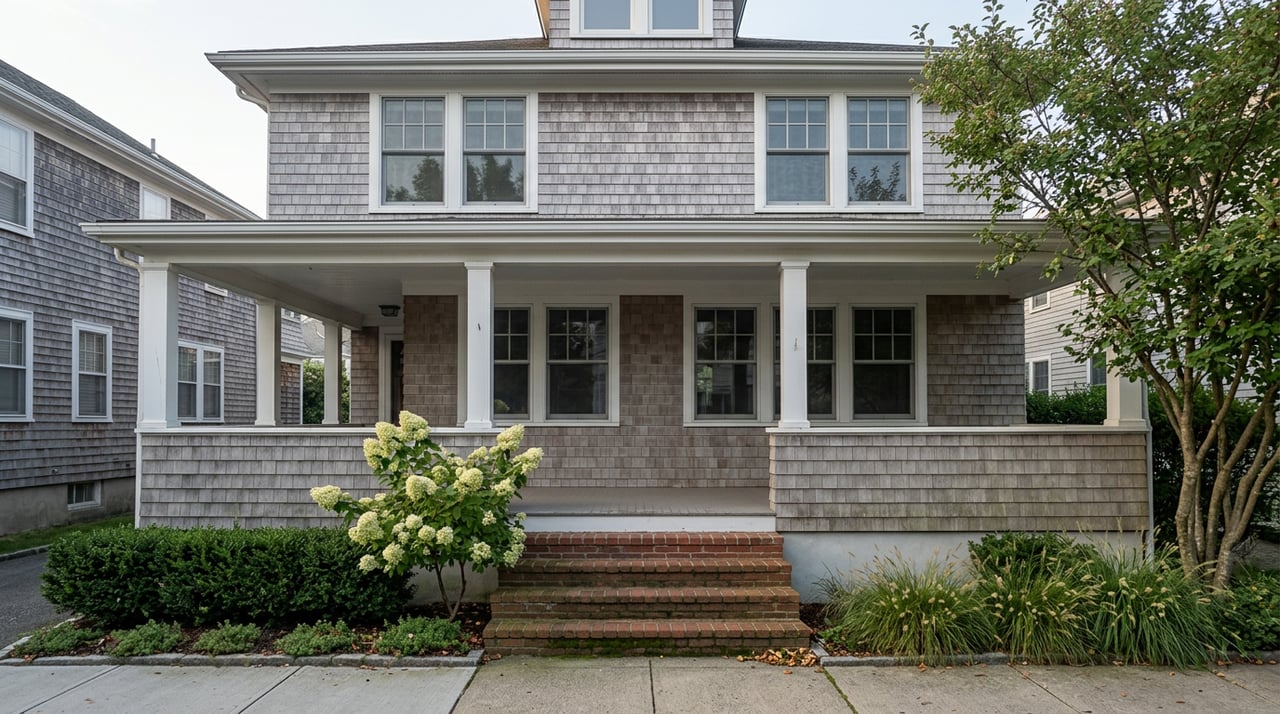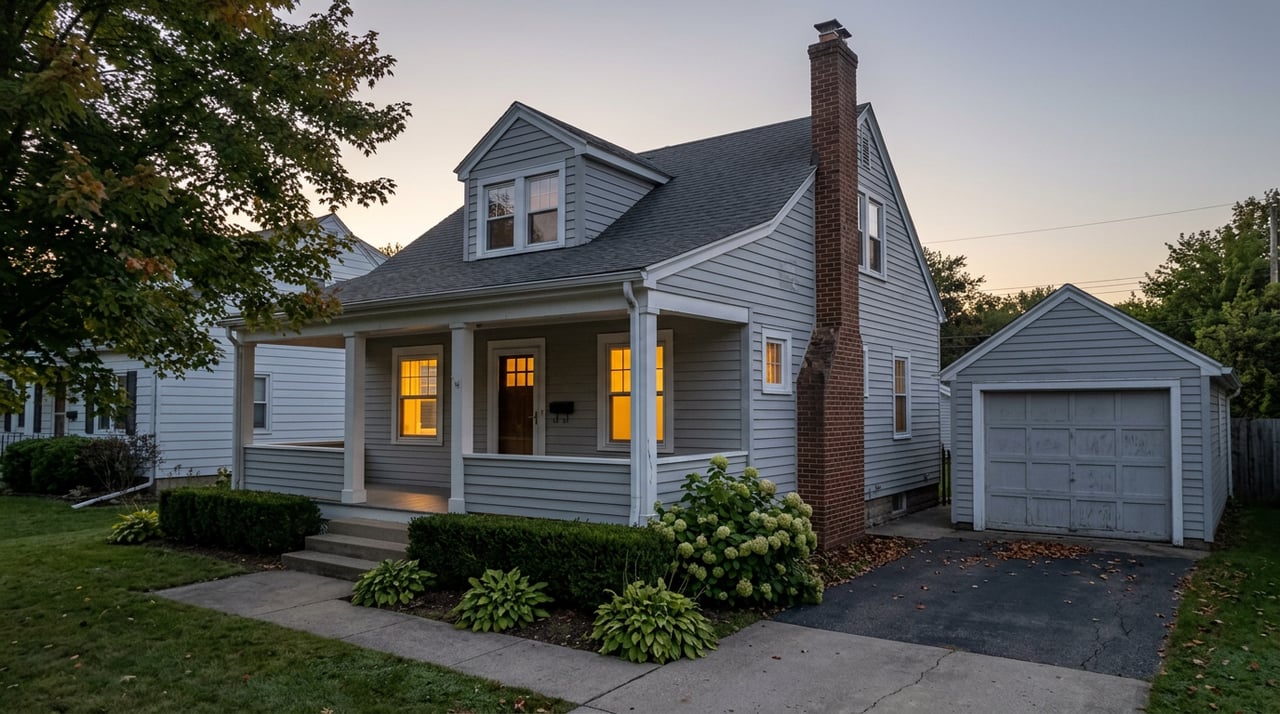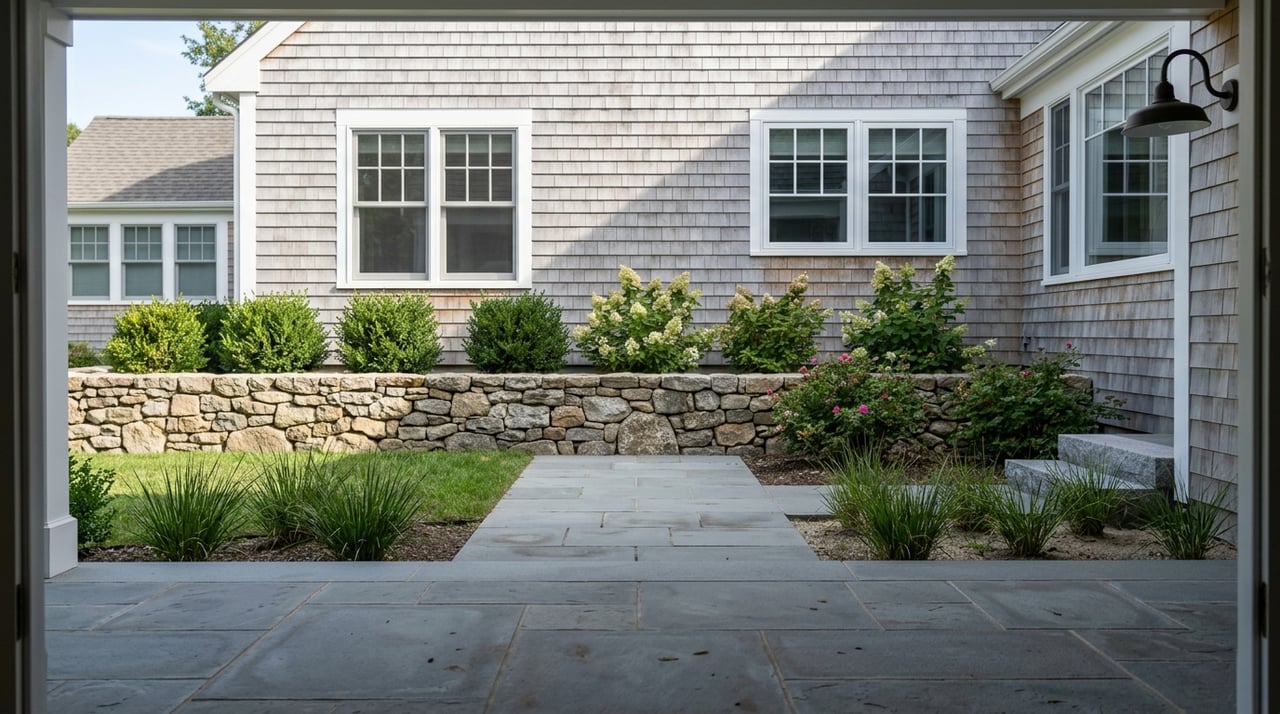
Trying to choose the right part of Fairfield can feel harder than choosing the right house. The town has a wide mix of settings, from shoreline streets and historic village areas to lake-centered neighborhoods and inland residential pockets, and each one can shape your day-to-day life in a different way. If you are comparing Fairfield’s micro-neighborhoods, this guide will help you understand the differences that matter most so you can narrow your search with more confidence. Let’s dive in.
Why Fairfield Feels So Varied
Fairfield is a town of about 65,300 people with 21,561 households, and its housing is still largely owner-occupied and single-family in character. According to the U.S. Census QuickFacts for Fairfield, the owner-occupied housing rate is 83.3%, the median owner-occupied home value is $780,500, and the mean commute time is 32.9 minutes.
That broad profile only tells part of the story. Fairfield’s housing stock is 85% single-family and 66% of homes were built before 1970, according to the town’s 2022 Fairfield Housing Profile. Add in five public beaches on Long Island Sound plus Lake Mohegan, and it becomes clear why one area of town can feel very different from another.
It also helps to remember that neighborhood boundaries in Fairfield are often locally recognized rather than rigid. The town assessor map and civic references support the names used here, but in practice, the feel of a block can shift quickly from one street to the next.
Start With Setting First
A smart way to compare Fairfield micro-neighborhoods is to begin with the setting you want most. In Fairfield, the biggest dividing lines are often shoreline, village, lake, campus-adjacent, or inland suburban.
If you know you want water nearby, your search will likely look very different than someone focused on road access or a quieter interior neighborhood. That is why it helps to think beyond price and square footage at the start.
Here is a simple way to frame it:
- Shoreline-focused: Southport / Sasco Hill, Fairfield Beach
- Lake-centered: Lake Hills
- Campus-adjacent: University area
- Inland suburban or road-oriented: Fairfield Woods, Brooklawn / Stratfield, Tunxis Hill
Southport and Sasco Hill
Southport and Sasco Hill appeal to buyers who want a historic-coastal setting with access to the shoreline and a strong sense of place. Southport is one of Fairfield’s three official historic districts, and the town’s historic district handbook defines it around the railroad, Mill River, Southport Harbor, and nearby roads.
The same handbook notes that later Cape Cod and Contemporary homes are relatively rare within the district. In practical terms, that means the area tends to feel especially rooted in older residential architecture.
Sasco Hill is often understood as the shoreline side of the Southport area. It is associated more with coastal views and beach access than with a retail core, while still benefiting from commuter options that include the Southport station and nearby Fairfield and Fairfield-Black Rock stations, as referenced in the town’s budget document covering shoreline recreation assets.
Best fit for Southport and Sasco Hill
If you are drawn to historic character, coastal surroundings, and rail access in the mix, this area deserves a close look. It can be especially appealing if you want a neighborhood identity that feels established and distinct.
It is also a place where historic-district context may matter during your search. If exterior changes or long-term renovation plans are part of your decision, that is worth discussing early.
Fairfield Beach
Fairfield Beach is the town’s most clearly shoreline-oriented neighborhood. The Fairfield Beach Residents Association says the area includes more than 3,000 residents across about 1,300 households, generally stretching from Old Post Road south to Fairfield Beach Road, west to the end of the road, and east to Beach Road.
For many buyers, the comparison here comes down to shoreline proximity, street layout, and access to downtown and rail. The nearby Fairfield and Fairfield-Black Rock stations often factor into that decision as much as the beach itself.
Housing in Fairfield Beach is often discussed as a compact coastal single-family market, with smaller lots and more rebuilding or updating than some inland parts of town. The neighborhood association’s footprint and shoreline street grid support that general pattern, but the exact housing feel should still be verified street by street during showings.
Best fit for Fairfield Beach
This area can make sense if being close to the shoreline is central to your search. It is often a strong option for buyers who want a neighborhood where beach access is part of everyday life rather than an occasional drive.
Because the street pattern is tighter and the housing mix can vary from block to block, touring matters a lot here. Two homes with the same address style on paper can offer very different living experiences in person.
Fairfield Woods
Fairfield Woods is one of Fairfield’s inland neighborhood codes on the town assessor map. It is often associated with a more typical suburban street pattern, along with convenient access to shopping and major road connections.
The town’s assessor neighborhood map and property inventory place Fairfield Woods Plaza on Black Rock Turnpike, a corridor tied to everyday retail and access to I-95 and the Merritt Parkway. The town directory also places the Fairfield Woods branch library in this area, reinforcing its practical, daily-use feel.
Compared with shoreline or village settings, Fairfield Woods tends to be more car-first than rail-first, depending on the address. For some buyers, that is a positive because it supports a straightforward routine built around errands, commuting, and residential streets.
Best fit for Fairfield Woods
If you want classic suburban housing and easier road access, Fairfield Woods is often worth including on your tour list. It can be a useful contrast if you are deciding between shoreline charm and everyday convenience.
This area may also appeal to buyers who prefer established inland neighborhoods over more specialized settings like beach, lake, or campus-adjacent locations.
Brooklawn and Stratfield
Brooklawn and Stratfield are generally seen as older inland neighborhoods with strong neighborhood identity. The Fairfield Museum’s Brooklawn history describes Brooklawn as an outgrowth of Bridgeport’s industrial expansion and a planned enclave for business leaders, while local references often describe Stratfield as a walkable area with many homes from the 1920s through the 1940s.
For buyers, this part of Fairfield often lands in the middle ground between convenience and character. You may find established streets, older homes, and a more traditional residential feel, though some sections can feel more mixed than others.
That variation matters. Since these labels are used somewhat informally, the experience can change quickly depending on the street and your proximity to busier roads.
Best fit for Brooklawn and Stratfield
If you like established neighborhoods and older housing character, this area can be a smart one to explore. It often suits buyers who want a residential setting with regional-road access and a less resort-like feel than the shoreline districts.
It is also a good reminder that Fairfield is not one-note. Inland neighborhoods can offer just as much identity as coastal ones, just in a different form.
Tunxis Hill
Tunxis Hill is another official neighborhood code on the town assessor map. It is often described as an older, more densely populated neighborhood with easy access to dining and day-to-day conveniences.
That usually points to a more compact and mixed housing environment than some of Fairfield’s larger-lot or shoreline-oriented areas. If your goal is to stay close to services and you do not need a more tucked-away setting, Tunxis Hill may deserve a deeper look.
On the other hand, if your priority is direct beach identity or a quieter street pattern, you will probably want to compare Tunxis Hill carefully against other parts of town rather than assume it fills the same role.
Best fit for Tunxis Hill
Tunxis Hill can work well for buyers who value access and practicality. It often enters the conversation when convenience matters more than a village, waterfront, or estate-style setting.
As with any micro-neighborhood in Fairfield, the exact block still matters. Touring in person is the best way to understand traffic flow, housing mix, and street feel.
Lake Hills
Lake Hills stands out because it is both an official neighborhood code and an active association community. The Lake Hills Association map identifies five active private beaches, and the neighborhood is built around Samp Mortar Lake and Samp Mortar Rock.
That gives the area a distinct identity that is less about shoreline living and more about a lake-centered residential setting. It tends to attract buyers who want recreation and neighborhood structure woven into daily life.
Within Lake Hills, location matters quite a bit. Some homes will feel closely tied to the lake experience, while others will feel more like interior residential streets with association benefits in the background.
Best fit for Lake Hills
If you want a neighborhood with a strong internal identity and a lake-centered feel, Lake Hills is one of Fairfield’s most distinctive options. It offers a different kind of water-oriented lifestyle than the beach districts.
It is also a neighborhood where association details can matter. If governance, amenities, or access rules are important to you, those questions should be part of the search process from the beginning.
University Area
The University area is shaped by Fairfield University’s 200-acre main campus. According to the university, it is a residential campus with about 5,000 full-time undergraduates, and the school’s transportation and parking page notes a shuttle connection to the Fairfield Train Station and Town Green.
That creates a neighborhood character that is different from both shoreline Fairfield and the more purely suburban inland neighborhoods. Local descriptions often point to New England-style homes on winding, tree-lined streets, but the rhythm of the academic calendar is part of the environment.
For some buyers, that connection to campus activity is a plus. For others, it means being more selective about how close they want to be to the university core.
Best fit for the University area
This area can be a strong fit if you want access to campus activity, downtown services, and transportation connections. It may also appeal to buyers who like a neighborhood with an established institutional anchor.
The best street for you may depend on how much campus presence you want in your day-to-day routine. That makes this another part of town where a guided tour can add real value.
How To Compare Fairfield Neighborhoods
When you are narrowing your list, focus on the lifestyle factors that are hardest to change after closing. Paint color, finishes, and even floor plans can evolve over time. Setting and location cannot.
A simple comparison checklist can help:
- Setting: shoreline, historic village, lake, campus-adjacent, or inland suburban
- Housing style: historic homes, compact coastal homes, classic suburban single-family, or more mixed and compact housing
- Commute pattern: rail access, road access, or a combination of both
- Neighborhood structure: informal residential area, association community, or historic district context
- Street-by-street variation: how much the feel changes within the neighborhood
In Fairfield, this matters because the same town can offer very different daily routines. One buyer may prioritize beach access and train service, while another may care more about road access, a lake setting, or a more tucked-away inland block.
A Smart Touring Shortlist
If you are early in the process, it may help to start with a short list based on your top priority.
- Choose Southport / Sasco Hill if you want historic-coastal character with rail access.
- Choose Fairfield Beach if shoreline proximity and a compact beach-street pattern matter most.
- Choose Fairfield Woods or Brooklawn / Stratfield if you want established inland neighborhoods and easier road-oriented living.
- Choose Lake Hills if you want a lake-centered neighborhood identity.
- Choose the University area if you want a campus-adjacent setting with access to town and transit links.
- Choose Tunxis Hill if proximity to services and a more compact setting are high priorities.
The goal is not to find the “best” neighborhood in Fairfield. It is to find the one that fits the way you want to live.
Final Thoughts
Fairfield’s micro-neighborhoods are a big reason the town appeals to such a wide range of buyers. You can find shoreline living, historic character, lake access, campus energy, and more traditional inland residential settings, all within one market.
The key is to compare these areas based on your actual routine, not just the listing photos. If you want help narrowing the right Fairfield neighborhoods for your goals, connect with The John Hackett Team for experienced, local guidance.
FAQs
What makes Fairfield micro-neighborhoods different from each other?
- Fairfield’s micro-neighborhoods differ most by setting, housing style, commute patterns, and neighborhood structure, with options that range from shoreline and historic districts to lake-centered and inland residential areas.
Which Fairfield neighborhoods are most shoreline-focused?
- Southport / Sasco Hill and Fairfield Beach are the clearest shoreline-focused choices in Fairfield, with coastal access playing a major role in their appeal.
Which Fairfield neighborhood has a lake-centered feel?
- Lake Hills is Fairfield’s clearest lake-centered neighborhood, with an active association and private beach access tied to the community.
Which Fairfield neighborhoods are more inland and road-oriented?
- Fairfield Woods, Brooklawn / Stratfield, and Tunxis Hill are generally more inland and road-oriented than the shoreline sections of town.
How should you compare homes in Fairfield neighborhoods?
- Start by comparing setting, housing type, commute options, and any association or historic-district factors, then verify the feel block by block during in-person tours.