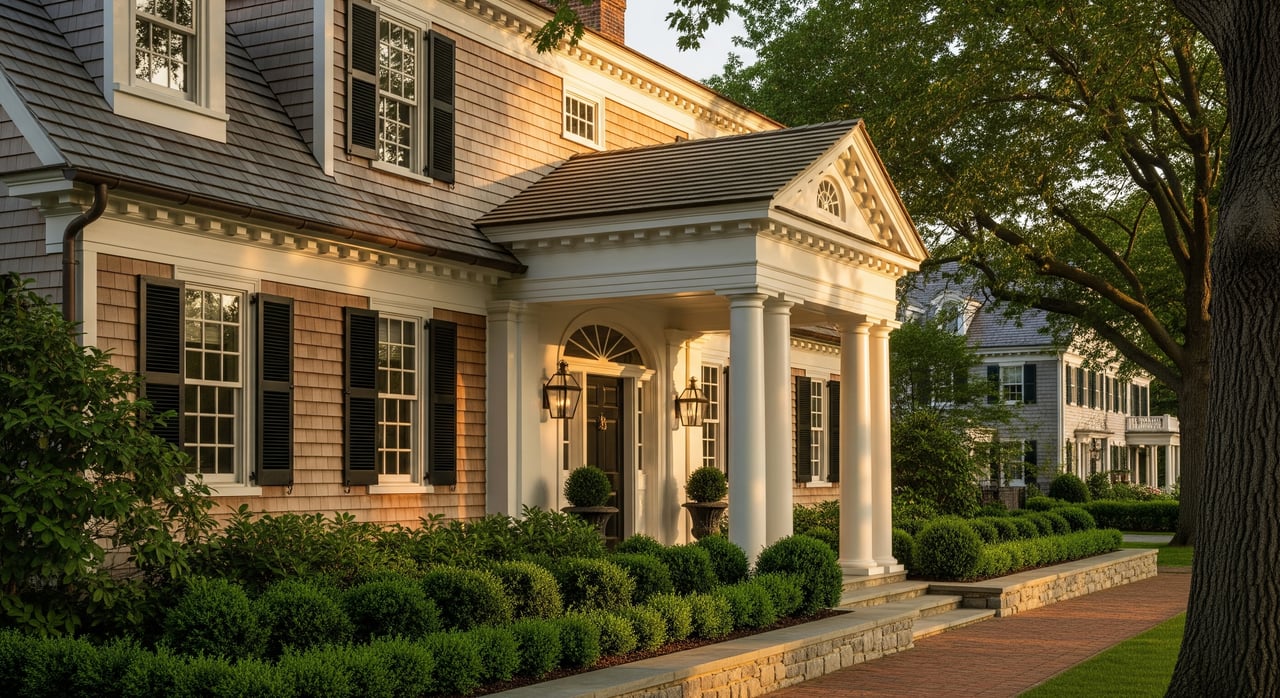
Thinking about buying a classic clapboard near the harbor or already own on Sasco Hill? Southport’s historic charm is a big part of why you love it, but it can raise questions about what you can change and how to plan projects. You want a clear path, realistic timelines, and confidence that every update protects your home’s character and value. In this guide, you’ll learn how historic designation works here, what approvals you may need, how it affects costs and resale, and practical steps to move forward with less stress. Let’s dive in.
What “historic district” means in Southport
Historic designation is not one-size-fits-all. In Southport and Fairfield, there are a few types you should know.
National Register vs. local district
- National Register of Historic Places: This is a federal recognition of significance. Listing is largely honorific and does not itself control what private owners can change. Learn more from the National Park Service’s overview of the National Register of Historic Places.
- Local historic district: Created by the Town of Fairfield. If your home is inside a local district, exterior changes visible from public ways typically require review by the town’s Historic District Commission (HDC) and a Certificate of Appropriateness.
- Private restrictions: Separate conservation easements or covenants can apply to specific properties and may limit changes even outside a local district.
How to confirm your property’s status
- Check the Town of Fairfield’s mapping and HDC materials. Start at the Town of Fairfield site and look for the Historic District Commission pages and district maps.
- Review your deed for any easements or covenants.
- If you see National Register references, remember that listing alone is not the same as a locally regulated district.
Coastal and floodplain rules also apply
Historic status is separate from coastal management and flood regulations. Many Southport properties are in FEMA flood zones. You may need both HDC approval for visible exterior work and separate permits for floodplain compliance. Use FEMA’s Flood Map Service Center to review your location and request documents like elevation certificates through your insurer or surveyor. Start with the FEMA Flood Map Service Center.
Southport and Sasco Hill architecture at a glance
Southport’s streetscape reflects centuries of design. Knowing the basics helps you plan compatible updates that pass review with fewer revisions.
- Colonial: Symmetrical facades, central or paired end chimneys, clapboard siding.
- Federal: Simple classical proportions, fanlights and sidelights at entries.
- Greek Revival: Gable-front or temple-front forms, wide corner boards, strong entablatures.
- Victorian-era styles: Italianate, Gothic Revival, and Queen Anne with porches, brackets, and varied rooflines.
- Colonial Revival: Later interpretations of early New England motifs.
Typical materials include wood-frame construction with clapboard or shingle siding, wood trim and porches, double-hung sash windows, and stone or masonry foundations. Details like cornices, paneled doors, and tall, narrow window proportions are common.
What the HDC often looks for
- Visibility: Work seen from the street or a public way draws the most review.
- Character-defining features: Porches, window patterns and proportions, siding type, trim profiles, and roof shape or materials.
- Approach: Repair rather than replace where feasible. If replacement is necessary, in-kind materials are often preferred for visible features.
Sasco Hill notes
Sasco Hill includes late 19th and early 20th century homes with Victorian and Colonial Revival influences. Lots can be larger than in the village core, and you may see a mix of intact historic fabric and later, compatible infill.
Renovation review basics in Fairfield
If you plan exterior work and your home is in a local district, expect to involve the HDC.
When you need HDC approval
- Additions and new construction visible from the street.
- Roof changes, porch alterations or enclosures, and removal of significant features.
- Changes to siding, trim, and window style or placement when visible from public ways.
- Demolition of historic structures or portions thereof.
- Fences, driveways, and site work that affect the historic streetscape.
What usually does not require HDC review
- Interior changes that are not visible from public ways.
- Paint color may or may not be regulated in some towns. Check the local ordinance to confirm Fairfield’s approach.
How the HDC process works
- Early conversation: Many commissions welcome informal reviews. Bring photos and sketches for feedback before you finalize plans.
- Formal application: Submit an HDC application for a Certificate of Appropriateness with photos, site plan, elevations, and material samples.
- Building permits: After HDC approval, apply for building permits for structural, mechanical, electrical, plumbing, and other work as required.
- Timeline: Reviews typically take a few weeks to a couple of months depending on meeting schedules and project complexity. Build in time for potential revisions.
For design guidance, many commissions follow the Secretary of the Interior’s Standards for Rehabilitation. The principles emphasize repair over replacement, in-kind materials when replacement is needed, and new work that is compatible yet clearly contemporary. See the Secretary of the Interior’s Standards for Rehabilitation.
Practical submission tips
- Provide clear before-and-after drawings and physical or manufacturer samples.
- If proposing modern materials, bring data showing visual compatibility and durability, not just cost benefits.
- Work with preservation-minded pros. Architects and contractors who know HDC expectations can help you avoid rework.
- Document any past approvals on the property. Prior Certificates of Appropriateness can establish helpful precedent.
Costs, financing, and insurance
Historic quality often means higher craftsmanship. Plan for both the investment and the payback.
Materials and maintenance trade-offs
- Wood sash, clapboards, and custom trim can cost more up front. Repairing original elements can reduce long-term lifecycle costs and protect value.
- Low-maintenance materials may be limited if they visibly change character. Discuss options early if you are considering alternatives.
Loans and tax credits
- Federal Historic Rehabilitation Tax Credit: A 20 percent credit for certified rehabilitations of income-producing properties that are listed in or eligible for the National Register. This does not apply to most owner-occupied single-family homes. Learn more from the NPS tax incentives program.
- State programs: Connecticut may offer targeted incentives. Confirm current options with the Connecticut State Historic Preservation Office and your tax advisor.
- Renovation financing: Complex projects sometimes use renovation or construction loans. Expect lenders to review scope, budget, and timelines closely.
Flood insurance and coastal factors
- Southport’s coastal setting can mean higher flood insurance premiums. Premiums depend on FEMA zone, elevation certificates, and past claims. Use the FEMA Flood Map Service Center to understand your risk and speak with your insurer for estimates.
Resale and marketability in Southport
Historic designation often correlates with stable or improved values in many markets. Research by preservation organizations points to benefits like quality control, neighborhood stability, and demand for character-rich homes. For broad summaries, see the National Trust for Historic Preservation and analyses by PlaceEconomics.
That said, premiums vary by location and by the individual property. In Southport, buyers respond to intact historic details, documented, compatible upgrades, and proximity to village amenities. Common buyer questions center on maintenance, modernization options, and flood exposure. A current comparative market analysis is the best way to price a specific home.
Practical checklist for buyers and owners
Before you bid or sign
- Confirm if the property is in a local historic district. Review Town of Fairfield HDC maps and check the deed for easements or covenants.
- Ask for recent Certificates of Appropriateness, permits, and contractor records.
- Order a home inspection with attention to older-house systems and materials. Ask about foundation, mechanicals, knob-and-tube wiring, lead paint, asbestos, and any past flood damage.
- Check FEMA flood maps and request elevation certificates if applicable. Get insurance estimates early.
If you own the house and plan work
- Contact the HDC early for guidance or an informal review.
- Prepare a complete application: photos, site plan, elevations, and material samples.
- Hire experienced preservation contractors and consider a preservation architect for major projects.
- Budget extra time and funds for in-kind repairs and high-quality materials.
For maintenance and energy upgrades
- Repair original windows and woodwork when feasible. Weatherize before replacing.
- Use compatible materials and retain porches, trim, and door surrounds.
- For efficiency, start with attic insulation, air sealing, and storm windows. If you plan solar or window replacement, consult the HDC first about visibility and mounting.
Smart planning for energy and modernization
You can modernize thoughtfully without losing character. Non-invasive upgrades like air sealing, insulation, and mechanical improvements often require no HDC review and can lower bills quickly. For visible items like solar, setback and roof placement matter. Many commissions approve installations that are minimally visible from public ways. Talk with the HDC early to map out a workable solution.
Common pitfalls to avoid
- Starting exterior work before you have HDC approval when required.
- Proposing replacements that change window proportions or trim profiles visible from the street.
- Ignoring site elements like fencing, driveways, or lighting that can affect the streetscape and may be reviewed.
- Overlooking floodplain requirements alongside historic review on coastal lots.
Your next step
Owning in Southport’s historic areas is rewarding when you plan ahead. With the right guidance, you can protect your home’s character, meet the rules, and create spaces that fit your life. If you are weighing a purchase, preparing a renovation, or positioning a property for sale, we are here to help you align scope, approvals, budget, and timing.
For local expertise and a clear plan, connect with The John Hackett Team. We combine deep neighborhood knowledge with full-service support to help you move forward with confidence.
FAQs
What is the difference between National Register listing and a local historic district in Southport?
- National Register listing is honorific and does not itself control private changes, while a local historic district is created by the Town of Fairfield and typically requires HDC review for exterior work visible from public ways.
Do interior renovations in Southport’s historic districts need HDC approval?
- Interior changes that are not visible from public ways are generally outside HDC jurisdiction, though you still need standard building permits where applicable.
How long does HDC review usually take in Fairfield?
- Allow several weeks to a couple of months depending on meeting schedules and the complexity of your application, plus time for possible revisions.
Are there tax credits for renovating an owner-occupied single-family home in Southport?
- The federal 20 percent Historic Rehabilitation Tax Credit applies to income-producing properties, not most owner-occupied single-family homes. Check with CT SHPO for any state options.
Can I install solar panels on a home in a local historic district?
- Often yes, if panels are mounted to minimize visibility from public ways. Policies vary, so consult the HDC early with placement drawings and product details.