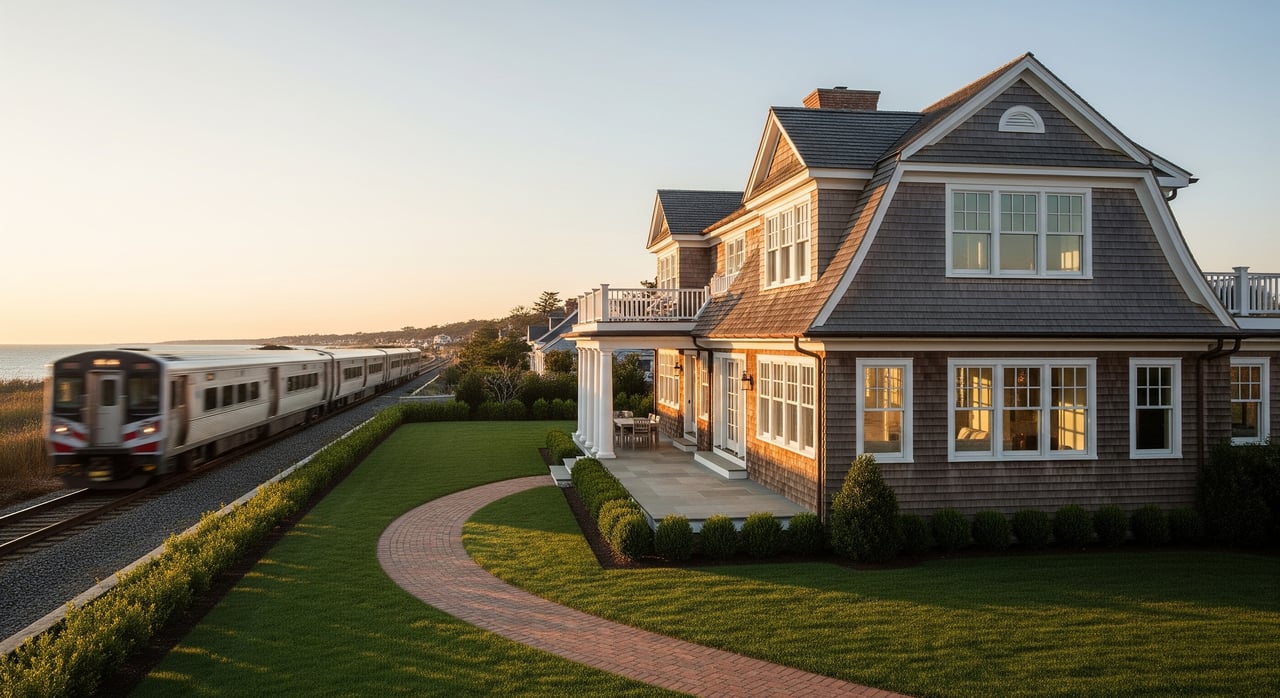
Do you ever wonder why two similar homes in Fairfield can sell for very different prices? The answer often starts on the platform. If you rely on Metro-North, the walk, bike, or drive to a station can shape your daily life and your home’s value. In this guide, you’ll learn how station proximity influences demand and pricing in Fairfield, what trade-offs to consider, and how to position your move for success. Let’s dive in.
Metro-North and Fairfield housing demand
Metro-North access is one of the strongest demand drivers in Fairfield. The town sits on the New Haven Line and is served by three commonly referenced stations: Fairfield, Southport, and Fairfield Metro. Each station offers different parking conditions, service patterns, and neighborhood feel. That variety creates distinct submarkets across the town.
If you commute to New York City most days, train frequency, express options, and last-mile convenience matter. If you commute less often, you may be comfortable living a bit farther from a station in exchange for more space. Either way, your personal door-to-door time will shape what you value, and what you are willing to pay.
Why station proximity affects pricing
Homes closer to a well-served station often draw more interest. The premium comes from:
- Time savings and predictability. Shorter walks and more frequent trains reduce daily friction.
- Walkability and convenience. Being able to stroll to the platform or downtown can be a lifestyle upgrade.
- Amenities near stations. Shops, dining, and services clustered around stations add value beyond the commute.
- Inventory differences. Near stations you tend to see more condos and townhomes; farther out you often find larger lots and detached homes. Those mixes influence price comparisons.
There are trade-offs. Noise, vibration, traffic, and parking pressure can reduce premiums for some buyers. Homes that sit back from the tracks or include sound mitigation can soften these concerns.
Station areas explained
Fairfield’s three station areas each attract different buyers and offer different benefits.
Fairfield station / downtown
- What it feels like: A traditional, walkable downtown with restaurants, shops, and services clustered around the station.
- Why buyers choose it: Strong walkability, quick last-mile times, and an active village lifestyle. It suits daily commuters and anyone who wants errands close by.
- What sellers highlight: Walk-to-train convenience and downtown access. Be ready to address questions about parking and peak-hour activity.
Southport
- What it feels like: A historic village setting near the shoreline with smaller-scale amenities and a nearby station.
- Why buyers choose it: Village charm with practical rail access. It appeals to those who want a quieter setting while staying connected.
- What sellers highlight: Historic character, proximity to the station and waterfront amenities. Note that parking and specific train stop patterns can influence buyer choices.
Fairfield Metro
- What it feels like: A newer, transit-oriented area with larger parking facilities and more recent residential development, including multifamily and townhomes.
- Why buyers choose it: Park-and-ride convenience, newer construction, and a wider range of higher-density housing options.
- What sellers highlight: Transit-oriented living and parking availability. Buyers will compare door-to-door times and stopping patterns.
Inland neighborhoods
- What it feels like: North Fairfield, Greenfield Hill, and similar inland areas offer larger lots and a more suburban or semi-rural feel.
- Why buyers choose it: Space, privacy, and lower density. This suits people who commute less often or drive to work.
- What sellers highlight: Property size, outdoor living, and neighborhood setting. Rail access is less immediate, which narrows the commuter buyer pool but broadens appeal to those prioritizing space.
Who values which station features
Different commuting patterns lead to different priorities.
- Daily NYC commuters. You focus on the fastest door-to-door time, reliable peak service, and either walkability or dependable parking. You may pay more to be within a comfortable walk of the platform.
- Hybrid or occasional commuters. You want balance. Being a half mile to a mile away, or driving to Fairfield Metro for parking, can offer more space for the price while keeping access practical.
- Local workers and downsizers. You may prize village atmosphere and errand-friendly living. Condos or townhomes near stations can fit well.
- Buyers seeking more space. Larger single-family homes farther from stations are often the better match, with the understanding that the commute will be longer or less frequent.
Pricing patterns near stations
A proximity premium is common within a short walk, often understood as roughly 0.3 to 0.5 miles, of a station with strong service and nearby amenities. The size of that premium varies by:
- Train frequency and express options during peak hours.
- The station area’s retail and dining mix.
- The local inventory mix, from condos to single-family homes.
Outside walkable zones, pricing differences often reflect housing type and lot size as much as rail access. Close-in homes affected by noise or heavy traffic may see reduced premiums. Homes with favorable orientation and sound mitigation often perform better.
Buyer trade-offs and checklist
Before you shop, define the commute you are willing to live with. Then line up the details that make or break your daily routine.
- Set your door-to-door standard. Include the walk or drive, parking time, platform crowding, and train run time.
- Learn service patterns. Find out which peak trains stop at Fairfield, Southport, and Fairfield Metro, and whether you need to transfer.
- Evaluate parking. Ask about permit rules, waitlists, daily spaces, and overflow patterns at your preferred station.
- Test frequency and reliability. Compare weekday peak to off-peak and weekend service to match your schedule.
- Assess noise. Visit prospective homes at rush hour. Consider distance from tracks, house orientation, and window quality.
- Match housing type to priorities. If commute convenience is critical, include condos and townhomes near stations. If space matters most, consider inland options and occasional drive-to-station routines.
- Scan for future changes. Station-area planning and transit-oriented projects can add retail or change parking and traffic conditions over time.
Seller strategies near stations
If you are selling near a station, connect your property to the commuter story and address common concerns upfront.
- Lead with commuter advantages. If your home offers short walk times, off-street parking, or quick access to express trains, feature those benefits prominently.
- Tailor your buyer message. Daily commuters, hybrid workers, and downsizers value different details. Call out last-mile times, parking info, and nearby amenities that matter to each.
- Prepare documents that build confidence. Organize links to current schedules, parking permit details, and example commute scenarios for showings and follow-up.
- Mitigate perceived negatives. If you are close to the tracks, showcase sound-dampening updates, outdoor screening, and interior quiet zones. Clear, factual notes can calm concerns.
How to choose among Fairfield’s stations
A practical way to decide is to frame your choice around three questions.
- How often do you ride and at what times? Peak riders benefit from stations with more frequent service and express options. Occasional riders may value parking availability more than a shorter walk.
- Do you prefer walkability or space? If you want a walk-to-train lifestyle and easy errands, focus on Fairfield and Southport station areas and parts of the Fairfield Metro district. If you want larger lots, look inland and plan a reliable drive-and-park routine.
- What is your tolerance for noise and activity? Some buyers love the energy of a village setting. Others prefer quieter streets and accept a longer last mile.
Neighborhood snapshots: what to expect
Downtown Fairfield blocks
You will find a mix of small-lot single-family homes, condos, and apartments with access to restaurants, coffee shops, and services. Pricing reflects both convenience and lifestyle. Expect high interest for updated, move-in-ready homes that balance proximity with privacy.
Southport village
Historic architecture and a coastal vibe define this area. Inventory can be limited and diverse. Buyers often compare charm and character against the practical details of parking and peak-hour stopping patterns.
Fairfield Metro corridors
Newer buildings, townhomes, and multifamily options are common here. Parking tends to be more available than in village settings. This area fits buyers who prioritize a predictable car-to-train routine and newer construction.
Inland Fairfield and Greenfield Hill
Larger lots and a more spacious setting attract buyers who commute less frequently or work locally or remotely. The trade-off is a longer last mile to the train or a greater reliance on driving.
Making your move with confidence
If you are buying, start by clarifying your weekly commute rhythm. Then tour at different times of day to test real-world door-to-door times. If you are selling, lean into the commuter story your property offers and prepare clear information that helps buyers picture their routine.
When you are ready, connect with local experts who understand Fairfield’s station-by-station dynamics and neighborhood patterns. With the right guidance, you can make a confident decision that fits your lifestyle today and your plans tomorrow.
Ready to get started? Reach out to The John Hackett Team for local guidance, neighborhood insights, and a complimentary home valuation.
FAQs
Which Fairfield station is best for getting to Grand Central?
- It depends on current service patterns and whether you catch an express or local train; compare peak-hour schedules for Fairfield, Southport, and Fairfield Metro to match your routine.
How much more do homes near a station cost in Fairfield?
- There is often a premium for properties within a comfortable walk of a well-served station, but the size varies by train frequency, amenities, and housing type; recent local sales are the best guide.
Is commuter parking easier at Fairfield Metro than at village stations?
- Parking conditions differ by station; Fairfield Metro typically offers larger facilities, while village stations are more walkable but may have tighter parking and permit rules.
What should I check if I am buying close to the tracks in Fairfield?
- Visit during rush hours, evaluate noise and vibration, ask about window and insulation upgrades, and confirm parking and traffic patterns on your block.
How do I balance commute convenience with getting more space in Fairfield?
- Consider inland neighborhoods for larger lots and plan a reliable drive-and-park routine, or look slightly beyond walkable zones near stations to trade a longer last mile for more home.
Will new development around Fairfield Metro affect values?
- Transit-oriented projects can change demand, retail options, parking, and traffic; staying informed about local planning will help you anticipate neighborhood shifts.