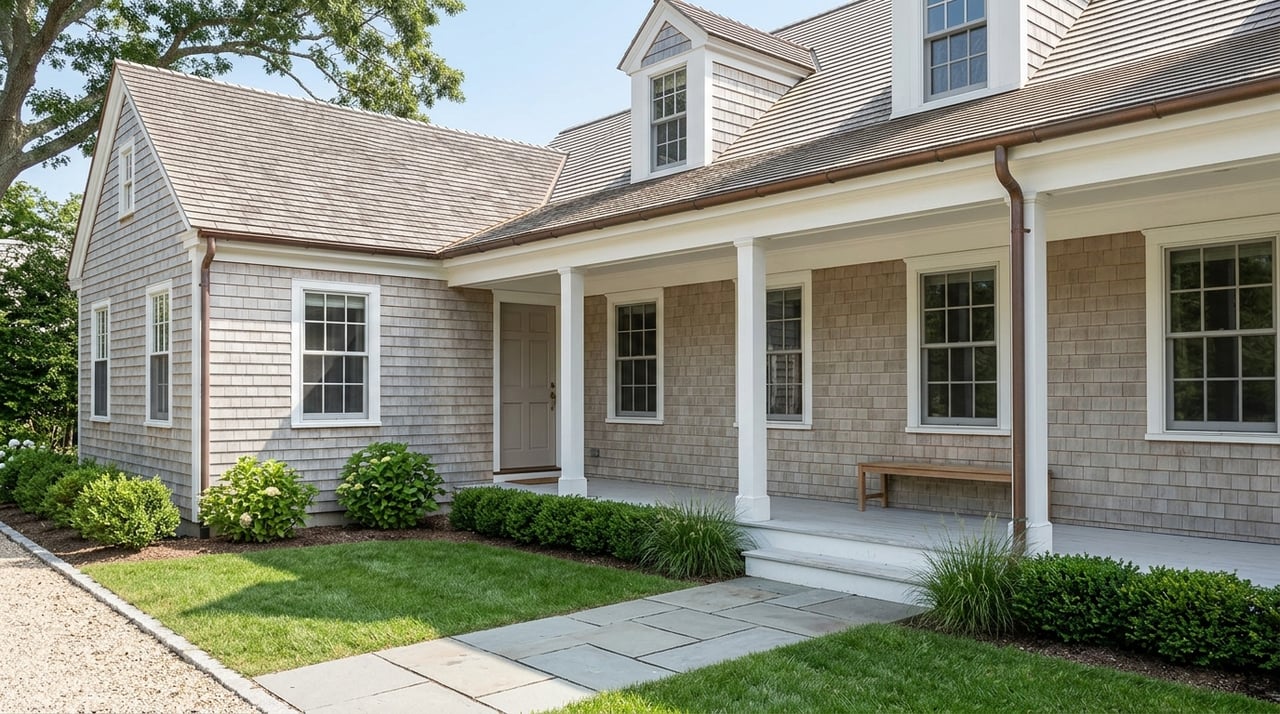
If you own a historic home in Southport, you already know it is more than a house. It is part of a preserved village setting with architectural character, harbor appeal, and a story that today’s buyers can feel the moment they arrive. When you prepare that home for sale, the goal is not to strip away its age. It is to present its best features in a way that feels livable, well cared for, and market-ready. Let’s dive in.
Why Southport history matters
Southport Historic District is both a local historic district in Fairfield and a National Register district. According to the National Park Service record, the district was listed in 1971 and is tied to commerce, transportation, and architecture, with Federal, Greek Revival, and Romanesque styles represented.
That matters because buyers are often responding to more than square footage. They are buying into a preserved village environment shaped by the harbor, railroad history, and a walkable historic streetscape. In Southport Village, the setting itself helps frame the home’s value and story.
Focus on preservation, not over-updating
One of the biggest mistakes sellers can make is treating a historic home like a standard cosmetic flip. Fairfield’s Historic District Commission handbook and the National Park Service rehabilitation standards both emphasize preserving original materials and retaining character-defining details wherever possible.
For you, that usually means your pre-listing budget is best spent on careful repair rather than replacement. Buyers in this market tend to notice original windows, wood siding, porch details, rooflines, trim, and other features that give the home its scale and authenticity.
Repairs that often support value
Fairfield’s handbook specifically discourages artificial siding such as vinyl or aluminum. It also advises owners to keep or return to original roofing materials where possible and notes that old windows should not be replaced unless they are totally deteriorated.
That guidance gives sellers a practical roadmap. If your house has worn exterior woodwork, aging porch elements, or repairable windows, those items may deserve attention before listing because they affect first impressions and reinforce the home’s historic integrity.
Windows deserve special care
Historic windows are often a major part of a Southport home’s appeal. Fairfield’s handbook notes that windows can often be repaired with epoxy fillers, wood splicing, storm windows, or accurate replication, as long as the original muntin profile is respected.
That means you do not always need a full replacement project to make the home feel ready for market. In many cases, a thoughtful repair strategy can improve appearance and function while preserving the details buyers expect to see in a historic property.
Choose updates that feel compatible
Today’s buyers want comfort and convenience, but they do not always want a historic house to feel generic. The strongest presentation usually comes from updates that support daily living while still looking appropriate to the age and style of the home.
If you are considering improvements before listing, focus on visible compatibility. New work should feel subordinate to the original home rather than competing with it.
Additions should stay in scale
Fairfield’s handbook and the National Park Service standards both favor smaller, compatible additions that do not destroy historic materials and can be removed later without impairing the property. In plain terms, additions should read as secondary to the original house.
If you are weighing whether to finish a project before sale, this is an important lens. A carefully scaled addition may support value, but a change that alters the historic form or overwhelms the original structure can make marketing harder, not easier.
Improve curb appeal with paint and landscaping
Paint and landscaping can make a meaningful difference in how your home is perceived online and in person. Fairfield notes that paint color is not regulated by the Historic District Commission, and landscaping other than screening is generally not under its jurisdiction.
Even so, both choices influence how the property reads within the streetscape. Period-appropriate paint choices and well-maintained plantings can help your home feel polished, intentional, and in keeping with Southport’s village character.
Think beyond the front door
Buyers often form opinions before they ever step inside. In a place like Southport, where the village setting is part of the value proposition, the relationship between the house and the street matters.
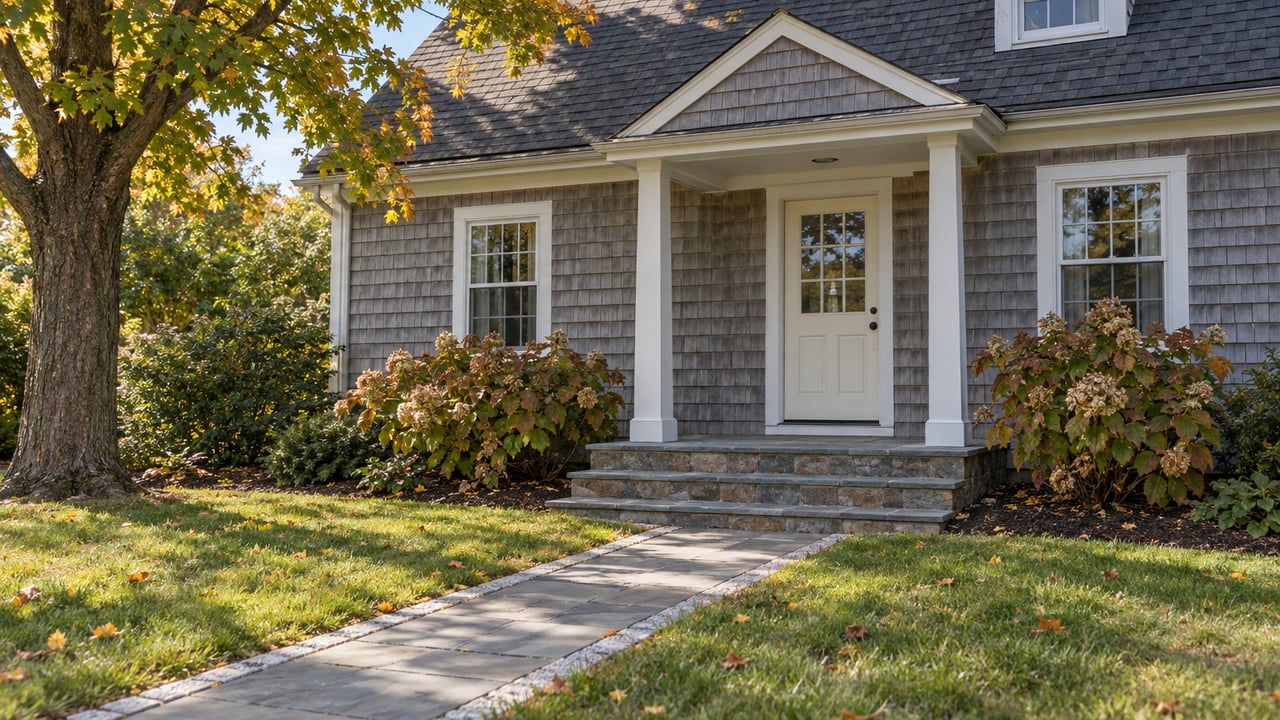
A neat walkway, healthy plantings, trimmed hedges, and a clean view of architectural features can strengthen the home’s photography and showing experience. Small visual distractions can pull attention away from craftsmanship that should be front and center.
Verify approvals before you start work
This step is easy to underestimate, and it can create costly delays if ignored. Fairfield’s handbook says you should consult the Historic District Commission before exterior work, because any exterior change visible from a public way may require a Certificate of Appropriateness.
That can include more than major construction. Demolition, new construction, hardscape, lighting, fences, walls, and earthworks may all require review, depending on visibility.
Visibility rules are broader than many owners expect
Fairfield defines a public way broadly enough to include water, rail, parks, trails, and parking lots. The commission also evaluates visibility without screening from trees or shrubs.
So even if you think an exterior change feels tucked away, it may still fall under review. The handbook also warns that unauthorized work can trigger a stop-work order, which is a risk no seller wants during listing preparation.
Some work may be exempt, but confirm first
The handbook says repainting and repairs that do not change the original appearance are generally exempt. It also notes that some asphalt-shingle reroofing may be allowed.
Still, sellers should verify before work begins. The commission determines visibility and review requirements, and early confirmation is far easier than trying to solve an approval issue after photos are scheduled or the home is already on the market.
Plan ahead if bigger changes are involved
If you are considering demolition or replacement, timing becomes even more important. Fairfield’s handbook says only the owner can apply for a Certificate of Appropriateness tied to that property, so buyers cannot simply assume they will be able to make those changes after closing.
The handbook also says the commission acts within 65 days of the public hearing date. That makes early planning essential if you want the listing process to stay smooth and predictable.
Price with condition and authenticity in mind
Southport remains a premium market, but that does not mean every historic home should be priced the same way. Research for early 2026 showed Southport home values and listing prices at the upper end of the market, while available inventory remained limited.
At the same time, data from Realtor.com for March 2026 categorized Southport as a buyer’s market, with homes selling for about asking price on average and median days on market reported at 48. In a market like that, condition and presentation can have a meaningful effect on your result.
Buyers compare details closely
When buyers have choices, they tend to notice whether a historic home feels lovingly maintained or deferred. They also notice whether preserved details feel authentic or whether the home has been altered in ways that weaken its original character.
That is why pricing should reflect the actual condition of the home and the strength of its preserved features. Emotional value and past renovation costs may matter to you personally, but buyers will still compare your property to the alternatives currently available in Southport.
Use photography to tell a Southport story
Historic home marketing works best when it goes beyond finishes and room counts. In Southport, your listing should tell a story about stewardship, place, and craftsmanship.
The district’s historic record ties Southport to architecture, commerce, and transportation, while local tourism materials continue to present Southport Village as a coastal destination with historic architecture, shopping, dining, arts, and a scenic harbor. That gives your listing a strong local narrative that standard luxury marketing alone cannot match.
What to highlight in photos and marketing
Your photography and presentation should emphasize the home’s most authentic and visually meaningful features, such as:
- Original windows and trim
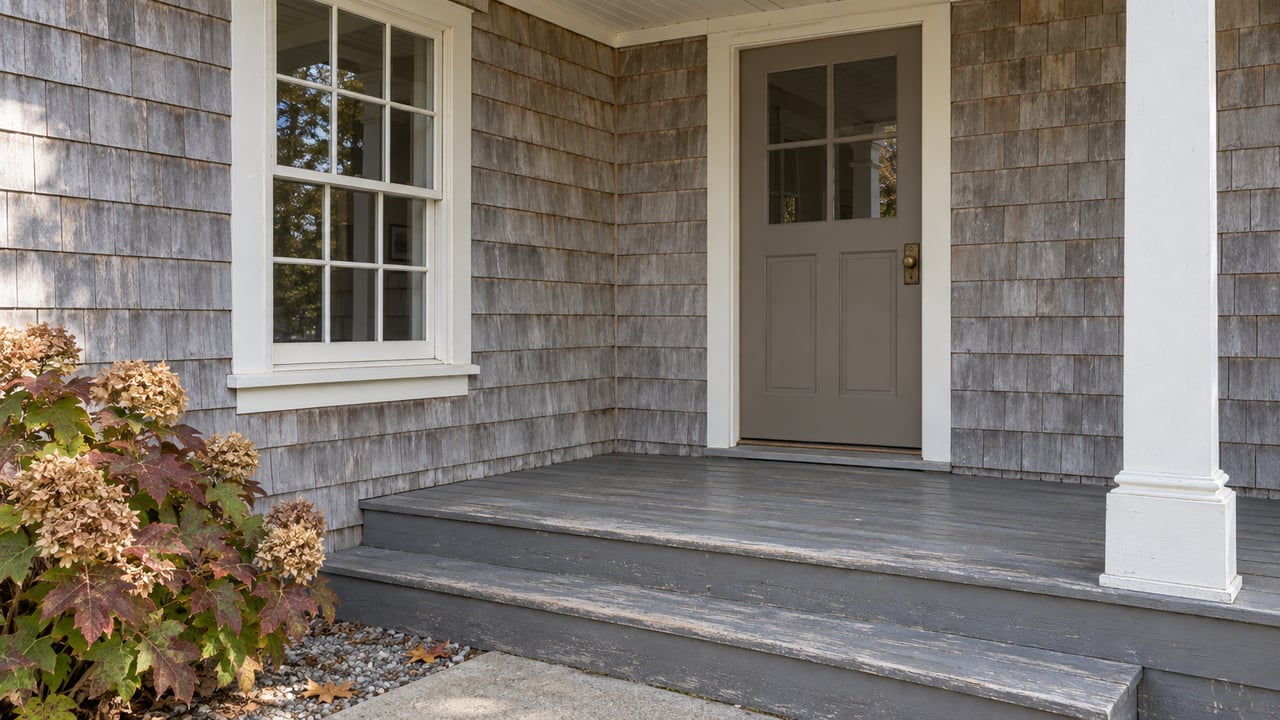
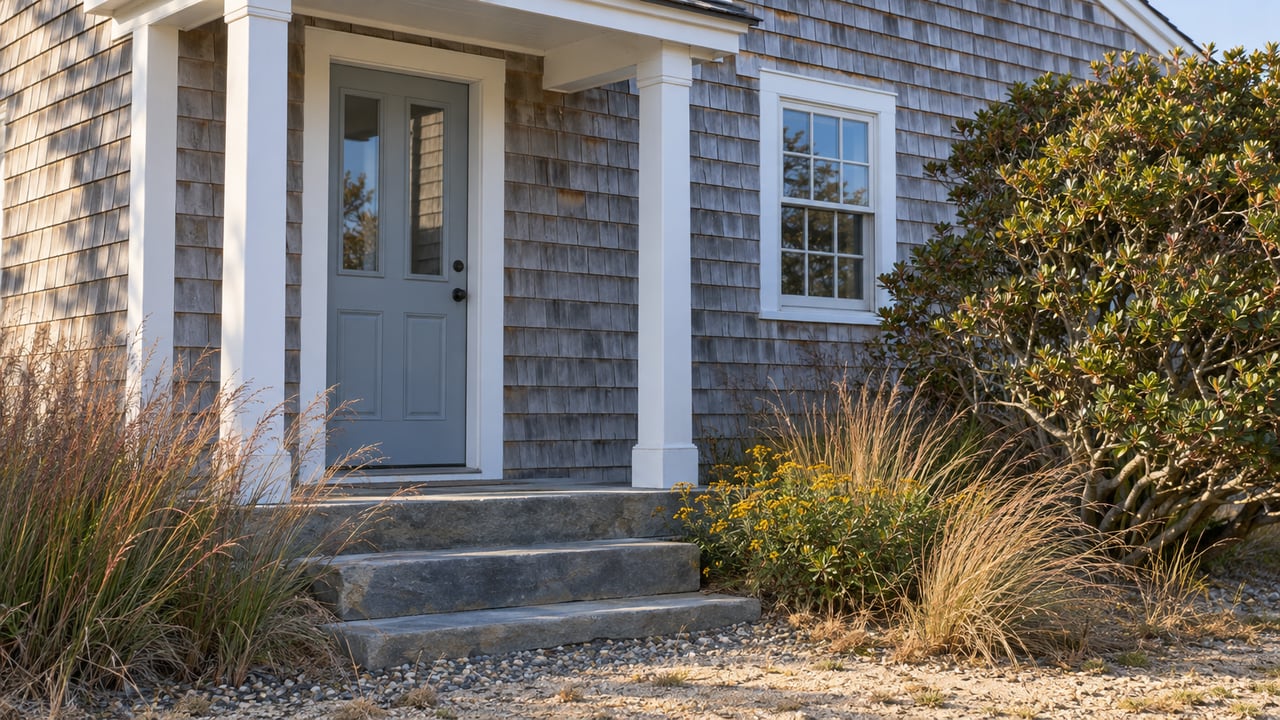
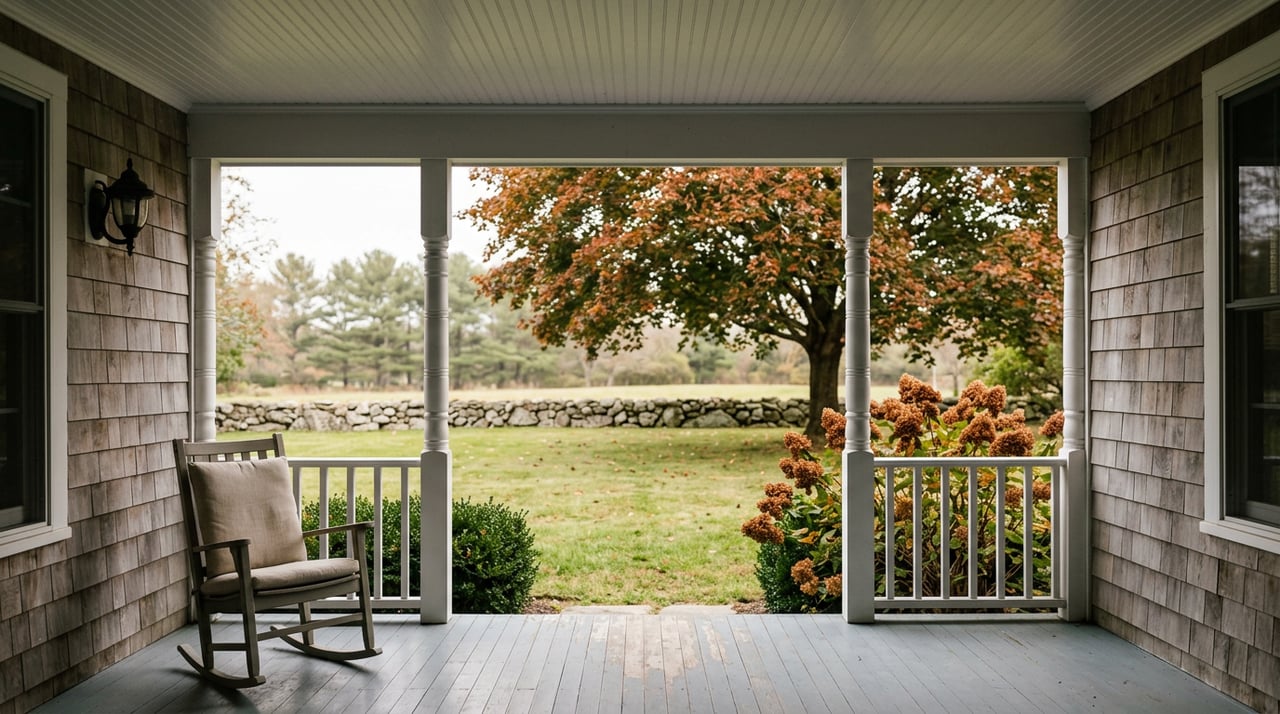
- Porch details and entry sequence
- Rooflines and exterior materials
- Harbor or village context, when relevant
- Well-kept landscaping and streetscape presence
- Craftsmanship that reflects the home’s period
When those details are supported by accurate pricing and thoughtful preparation, buyers are more likely to understand what makes the property special.
Balance modern living with historic character
The best-prepared Southport historic homes usually strike a simple balance. They feel functional for today’s buyer, but they still look and live like the homes they were meant to be.
That balance can come from repaired windows, fresh paint, clean exterior lines, careful lighting, and documentation of approvals where needed. It can also come from restraint. Not every improvement adds value, especially if it takes the house further away from its architectural roots.
If you are getting ready to sell, a local strategy matters. In a niche market like Southport, buyers are not just evaluating a property. They are evaluating its authenticity, condition, and fit within one of Fairfield’s most distinctive historic settings.
When you prepare thoughtfully, you give buyers a reason to connect with both the house and the place. If you are considering selling a historic home in Southport, The John Hackett Team can help you position it with the local insight, preparation strategy, and marketing care this kind of property deserves.
FAQs
What makes a Southport historic home different from a typical listing?
- A Southport historic home is often part of a preserved district where architecture, materials, and village setting play a major role in buyer appeal and in how the property should be prepared for sale.
What exterior work on a Southport historic home may need approval?
- In Fairfield’s historic district process, exterior changes visible from a public way may require a Certificate of Appropriateness, including some work involving demolition, construction, lighting, hardscape, fences, walls, and earthworks.
Can you replace old windows in a Southport historic home before selling?
- Fairfield’s handbook says old windows should not be replaced unless they are totally deteriorated, and it notes that many can be repaired through methods such as wood splicing, epoxy filler, storm windows, or accurate replication.
Should you renovate a Southport historic home before listing it?
- Sellers are often better served by repairing and preserving visible historic features rather than making changes that erase original materials, scale, or architectural character.
How should you price a historic home in Southport, CT?
- Pricing should reflect the home’s current condition, preserved details, and market competition, especially in a premium market where buyers may compare authenticity and upkeep very closely.