If you are looking for a Fairfield neighborhood that feels tucked away yet still connected, Greenfield Hill stands out right away. This part of town offers a rare mix of open land, historic character, and a slower pace that appeals to buyers who want space and a strong sense of place. If you are wondering what it is really like to live there, this guide will walk you through the setting, homes, traditions, and practical details that shape daily life. Let’s dive in.
Why Greenfield Hill Feels Different
Greenfield Hill is one of Fairfield’s three historic districts, with a historic core centered roughly around Meeting House Lane, Hillside Road, Verna Hill Road, and Bronson Road. Fairfield’s historic district handbook describes it as a rural community of quiet charm and beauty, set apart from busier centers of industry, commerce, and politics.
That description still helps explain why the neighborhood draws so much interest. Even within Fairfield, Greenfield Hill has a distinct identity that feels more pastoral, more spacious, and more rooted in history than many other parts of town.
A Setting Shaped by History
One of the defining landmarks in Greenfield Hill is the Greenfield Hill Congregational Church, established in 1725. The church has been central to community life for almost 300 years and remains closely tied to the village green and long-running local events.
That long history is visible throughout the area. Fairfield’s handbook notes that Greenfield Hill Historic District has the largest concentration of pre-Revolutionary War dwellings in town, which gives the neighborhood an architectural depth that is hard to replicate.
What Homes Look Like Here
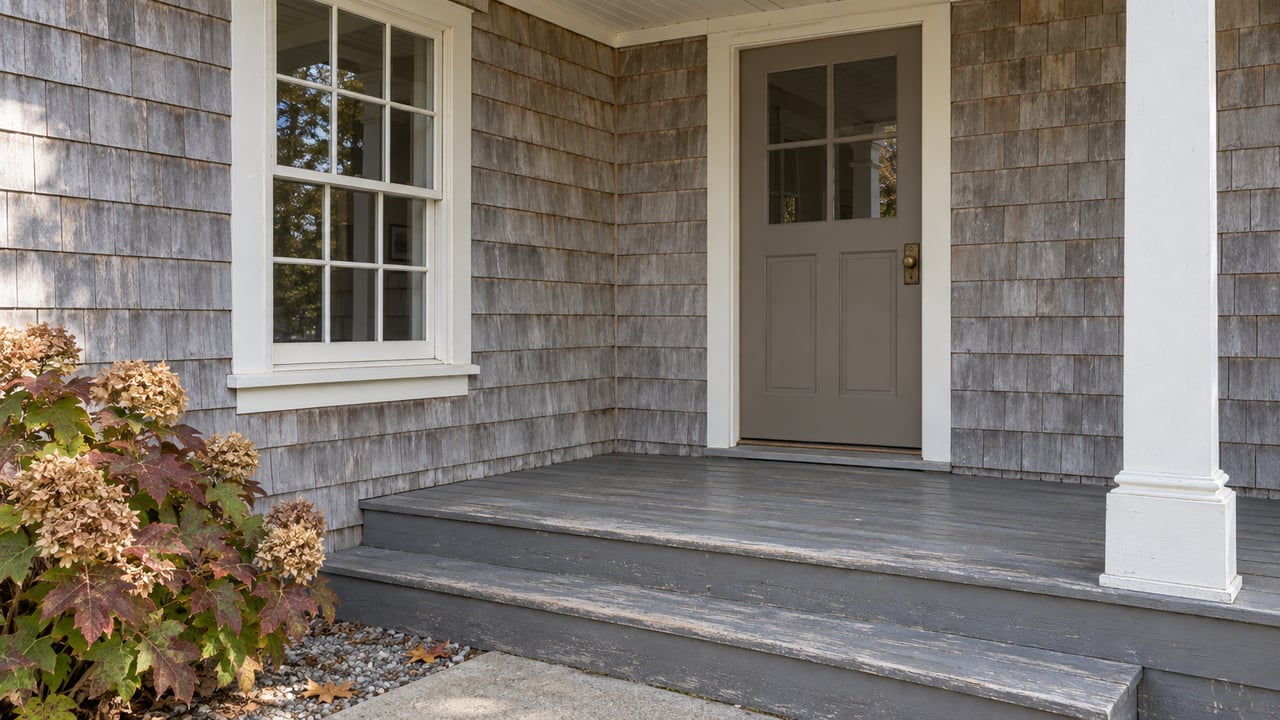
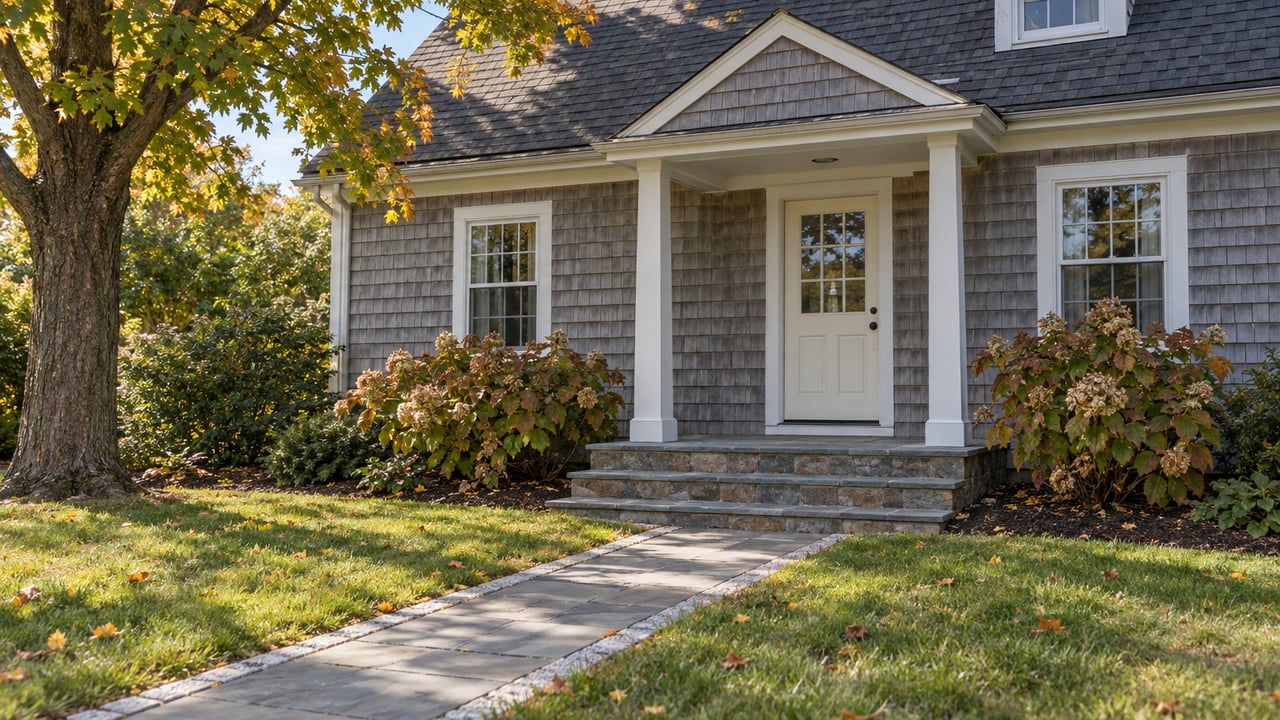
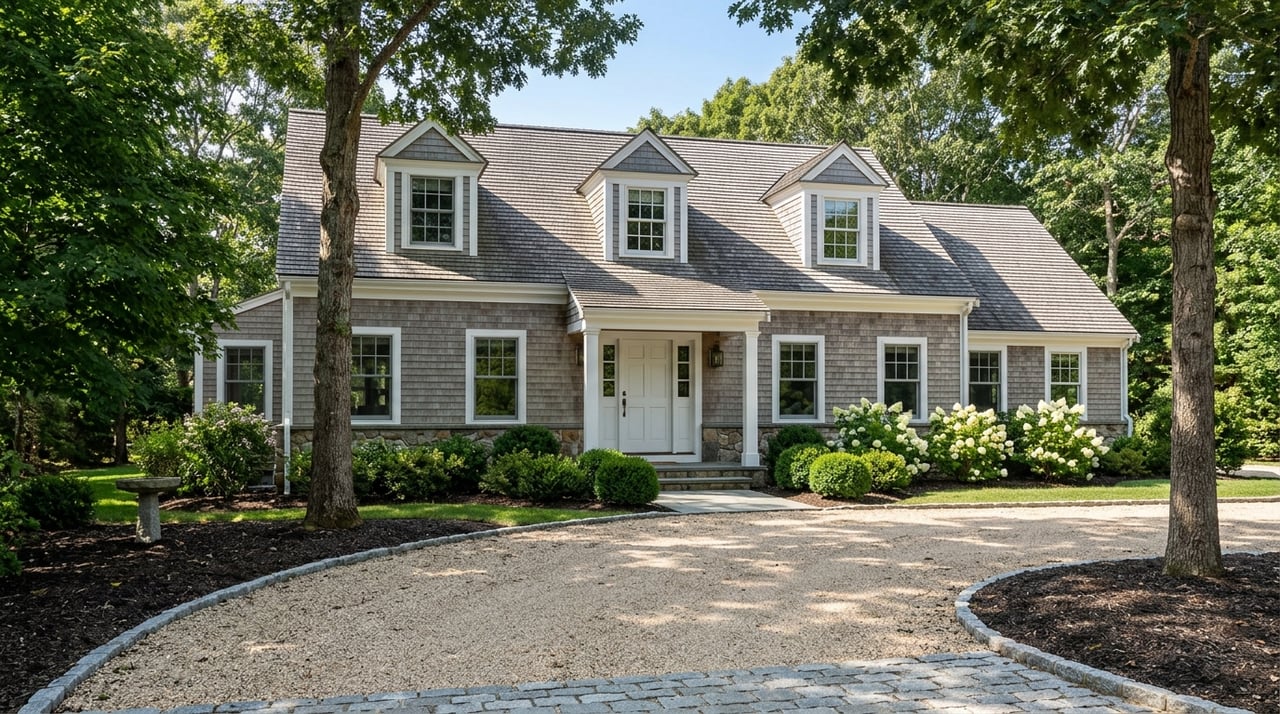
Greenfield Hill is known for a broad mix of historic home styles and estate-like properties. Within the district, you can find saltbox, Georgian, Federal, Queen Anne, and Colonial Revival homes, along with older agrarian remnants that reflect the area’s farm-and-estate origins.
This variety adds visual interest without changing the neighborhood’s overall feel. Instead of a one-style subdivision look, Greenfield Hill offers a streetscape shaped by generations of building, preservation, and thoughtful change.
Why Lots Feel So Spacious
Part of Greenfield Hill’s appeal comes from its land patterns. Fairfield’s zoning regulations set the town’s AAA district at a minimum lot size of 2 acres and its AA district at a minimum lot size of 1 acre, with 10% lot coverage limits in both districts.
Those standards help explain the open, country-estate atmosphere many buyers notice right away. Larger lots, more breathing room, and lower site coverage all support the spacious character that has become part of Greenfield Hill’s identity.
Preservation Matters in Greenfield Hill
Living in a historic district can be rewarding, but it also comes with responsibilities. In Greenfield Hill, visible exterior work such as reroofing, alterations, hardscape, lighting, fences, sheds, and greenhouses may require a Certificate of Appropriateness from the town.
Fairfield encourages property owners to consult the Historic District Commission before starting visible work. For buyers, that means it is smart to think not only about the house itself, but also about how future updates may fit within local review requirements.
Historic, But Not Frozen in Time
Greenfield Hill’s story is not limited to colonial homes. The district also includes the former Timothy Dwight academy site, founded in 1783 and 1784, as well as the former Verna house site, now occupied by Fairfield Country Day School.
That mix of old and evolving uses is part of what makes the neighborhood feel lived-in rather than staged. Greenfield Hill preserves its past while still functioning as an active part of Fairfield today.
Community Traditions That Shape Daily Life
For many residents, Greenfield Hill is not just about architecture or lot size. It is also about local traditions and a shared commitment to preserving the area’s rural character.
The Greenfield Hill Village Improvement Society states that its purpose is to maintain the rural character of the area and support community improvement, zoning, planning, and historic preservation efforts. That mission helps reinforce the neighborhood’s identity over time.
A few local traditions stand out in particular:
- Dogwoods have been planted along Bronson Road and the Greenfield Hill Green.
- The annual Pumpkin Festival is held at Greenfield Farms on the first Saturday in October.
- The Christmas tree lighting takes place on the first Sunday in December.
These recurring events help give the neighborhood a strong sense of continuity. If you value places where local traditions still matter, Greenfield Hill offers that in a very visible way.
Scenic Roads Add to the Appeal
The neighborhood’s pastoral feel is also tied to its road network and landscape. GHVIS identifies scenic roads including Bronson Road, Congress Street, Greenfield Hill Road, Meeting House Lane, and Old Academy Road.
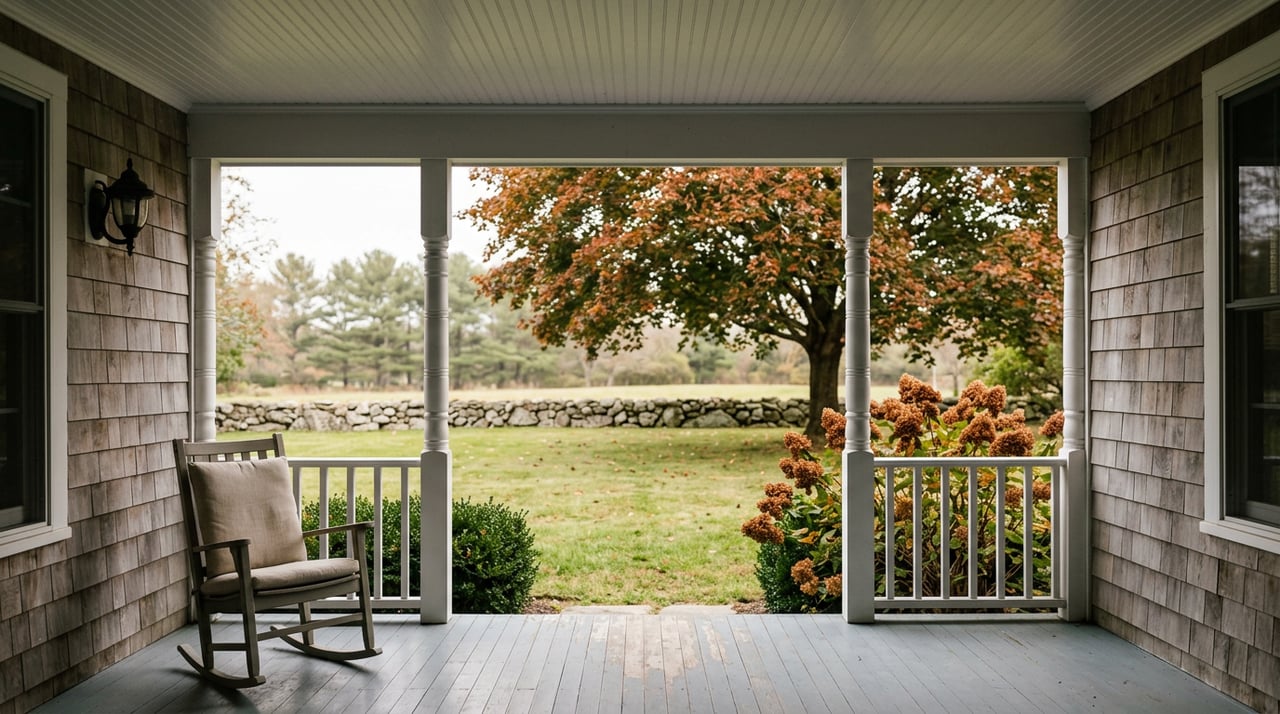
These roads help define how the area is experienced day to day. Drives feel more relaxed, views feel more open, and the overall setting supports the quiet, country atmosphere that many buyers are looking for.
The Greenfield Hill Grange Hall also adds to that sense of place. It is a National Register-listed Colonial Revival building that GHVIS describes as part of Fairfield’s agricultural and social history.
What Daily Convenience Looks Like
Even though Greenfield Hill feels removed from busier areas, it is still part of a well-connected town. Fairfield is served by I-95, the Merritt Parkway, and Metro-North commuter rail, with three rail stations in town.
A town property listing for Greenfield Hill Commons on Hillside Avenue also notes ease of access to both the Merritt Parkway and I-95. That balance matters if you want a more rural home setting without giving up broader regional access.
Fairfield Amenities Within Reach
Living in Greenfield Hill also means benefiting from Fairfield’s larger amenity base. According to town and museum information in the research, Fairfield has five town beaches, parks and ball fields, two public golf courses, and two universities.
For buyers, that means Greenfield Hill offers privacy and space while still tying into a town with a wide range of recreational and civic resources. You are not choosing between seclusion and convenience as much as you are choosing a different style of Fairfield living.
Who Greenfield Hill Often Fits Best
In practical terms, Greenfield Hill tends to appeal to buyers who want:
- More privacy
- Larger lots
- Historic surroundings
- A quieter pace
- Access to Fairfield amenities and commuting routes
That combination is not for everyone, and that is part of the point. If you want a dense, walk-to-everything village setting, another Fairfield neighborhood may be a better fit. If you want room to spread out in a setting shaped by history and preservation, Greenfield Hill may feel exactly right.
What Buyers Should Keep in Mind
Before you buy in Greenfield Hill, it helps to look at the neighborhood through both a lifestyle and property-ownership lens. The charm is real, but so are the practical considerations that come with historic homes, larger lots, and district oversight.
A few things to keep top of mind include:
- Historic district review for some exterior changes
- Ongoing maintenance needs that may come with older homes
- Larger property upkeep on one-acre or two-acre lots
- Travel patterns that may rely more on driving than in denser parts of town
For the right buyer, these are not drawbacks. They are part of what protects the character and long-term appeal of the neighborhood.
Why Greenfield Hill Continues to Stand Out
Greenfield Hill offers something increasingly hard to find in lower Fairfield County: a preserved rural setting with deep local history, meaningful open space, and access to a strong town infrastructure. It feels established, intentional, and distinct.
If you are drawn to classic architecture, scenic roads, community traditions, and estate-like surroundings, this neighborhood deserves a close look. And if you are planning to buy or sell in this part of Fairfield, working with a team that understands the nuances of Greenfield Hill can make a real difference.
Whether you are exploring your next move or preparing to sell a distinctive property, The John Hackett Team can help you navigate the Greenfield Hill market with local insight and full-service support.
FAQs
What is Greenfield Hill in Fairfield, CT known for?
- Greenfield Hill is known for its historic district status, rural character, scenic roads, larger lots, and collection of older homes that reflect Fairfield’s farm-and-estate history.
What types of homes are found in Greenfield Hill?
- Homes in Greenfield Hill include saltbox, Georgian, Federal, Queen Anne, and Colonial Revival styles, along with other properties tied to the area’s long architectural history.
Are Greenfield Hill properties on large lots?
- Many properties in and around Greenfield Hill reflect Fairfield zoning patterns that include one-acre and two-acre minimum lot sizes in AA and AAA residential districts.
Do historic district rules affect Greenfield Hill homes?
- Yes. In the historic district, visible exterior work such as reroofing, lighting, fences, sheds, hardscape, and some alterations may require review and a Certificate of Appropriateness.
Is Greenfield Hill convenient for commuting?
- Greenfield Hill has a rural feel, but Fairfield is served by I-95, the Merritt Parkway, and Metro-North rail, and local property information notes access to both major roadways from the area.
What community events take place in Greenfield Hill?
- Local traditions include the Pumpkin Festival at Greenfield Farms, a Christmas tree lighting in December, and long-standing beautification efforts such as dogwood plantings near the green and along Bronson Road.