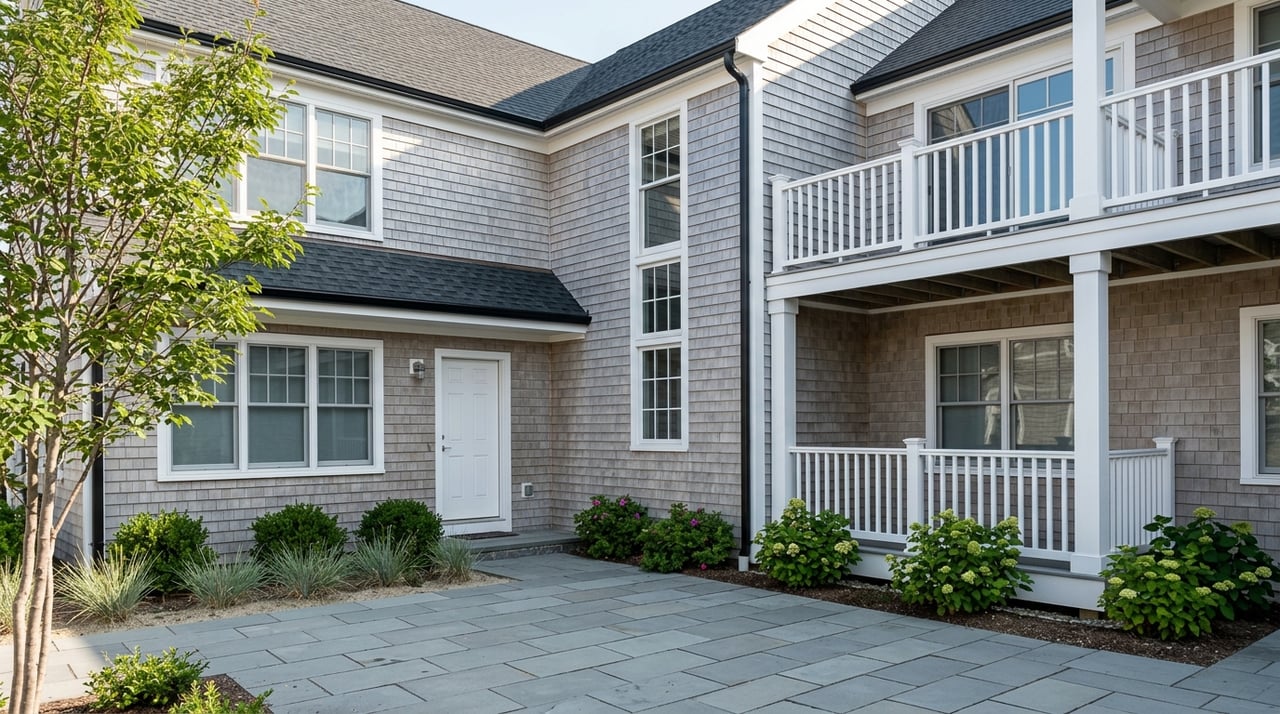
Dreaming about a place near the water, but not sure whether a condo or a beach cottage makes more sense in Devon and Walnut Beach? You are not alone. Many buyers are drawn to this stretch of Milford shoreline for the same reason: it offers a coastal lifestyle with different price points, ownership styles, and day-to-day responsibilities. If you are weighing convenience against control, this guide will help you compare your options and focus on what matters most before you tour. Let’s dive in.
Why Devon and Walnut Beach Stand Out
Devon and Walnut Beach sit within Milford’s larger shoreline corridor, alongside nearby areas like Rivercliff and Myrtle Beach. In practical terms, that means you are often comparing different versions of one coastal lifestyle rather than totally separate markets.
Milford has 17 miles of Long Island Sound coastline, with multiple city beaches and access to shoreline recreation throughout the area. The city describes Walnut Beach as a sand beach with a fishing pier and one of Connecticut’s longest boardwalks, which helps explain why this part of town continues to attract both full-time residents and second-home buyers.
Walnut Beach also has a distinct identity within the local shoreline. The city notes that the neighborhood is making a comeback as an artists’ community, which adds another layer of appeal for buyers looking for a relaxed, coastal setting with a strong sense of place.
Condos vs. Beach Cottages
Choosing between a condo and a beach cottage usually comes down to one key question: how hands-on do you want to be? Both property types can work well in Devon and Walnut Beach, but they offer very different ownership experiences.
Why a condo may fit your lifestyle
A condo can be a strong choice if you want a lower-maintenance home base near the beach. In Connecticut, condo ownership means you own your unit while sharing ownership and costs tied to common areas through the association.
That shared structure can simplify upkeep, especially if you want a lock-and-leave property or a second home. Instead of handling every exterior issue yourself, you are typically contributing through monthly dues to the care of common elements.
Still, condo ownership is not maintenance-free. According to the Connecticut Department of Consumer Protection, condo buyers should review the declaration, bylaws, rules and regulations, and resale documents before closing.
What condo fees can really cover
Many buyers think of condo dues as covering basics like landscaping or snow removal, but the reality can be broader. Under Connecticut law, common expenses may include insurance, taxes, maintenance, improvements, and services tied to common elements.
That means a condo with a lower purchase price may still carry meaningful monthly costs. When you compare options, it helps to look at the full monthly picture, not just the list price.
Why a beach cottage may be worth it
A beach cottage or single-family home usually offers more independence. You have more direct control over the house, the land, outdoor space, and decisions about maintenance or improvements.
That extra freedom can be a big plus if you want yard space, more privacy, or the ability to manage the property on your own terms. It can also be appealing if you plan to spend a lot of time there and want the home to feel more personal and flexible.
The tradeoff is responsibility. With a cottage, you are generally the one handling repairs, maintenance, and unexpected costs as they come up.
What the Local Market Tells You
One of the most useful things about Devon and Walnut Beach is that the market is not one-size-fits-all. This shoreline area spans a wide range of price points, which gives buyers more than one path into coastal ownership.
Recent market snapshots show condos for sale with a median listing price of about $374,000. At the same time, broader neighborhood data has shown a median home value of $522,000, with 35 active listings and a median of 56 days on market.
Other recent neighborhood data showed a median sale price of $455,000 in March 2026, down 6.2 percent year over year. While market conditions can shift, the larger takeaway is clear: this area includes entry-level condos, midrange cottages, and premium waterfront homes.
A quick look at typical price ranges
Current listing patterns reinforce that range. Condos in the area have appeared from the high $300,000s through the upper $600,000s, while nearby single-family homes have ranged from the low $600,000s into seven figures.
For you as a buyer, that means the decision is not just about budget. It is also about whether you want convenience, autonomy, or a mix of both.
Flood Risk Matters Here
Before you fall in love with a porch, water view, or easy beach access, focus on flood risk. Along this part of Milford’s shoreline, that is one of the most important issues to understand before making an offer.
Milford states that its shoreline is subject to federal, state, and local flood-zone standards, and the city maintains flood maps for properties in town. The city’s planning and zoning office also regulates flood-hazard activity and requires planning and zoning approval before construction or alterations.
For coastal buyers, this matters in both obvious and less obvious ways. Insurance costs, renovation plans, and even future maintenance decisions can all be affected by a property’s flood-zone status.
Why erosion is part of the conversation
Flood risk is only part of the story. Connecticut coastal guidance also emphasizes erosion concerns, and Milford’s resiliency documents describe Walnut and Wildemere as chronically erosive and exposed to storm flooding.
If you are looking at a cottage or single-family home near the shoreline, that exposure can affect long-term upkeep and your comfort with future repair risk. For condo buyers, it still matters because building location and shared infrastructure can influence association costs and planning.
What to check before you offer
Before you move forward on any shoreline property, it helps to review:
- Flood map status
- Whether flood insurance may be required by your lender
- Any recent or planned exterior work
- Local approval requirements for alterations or improvements
- Signs of ongoing erosion or drainage concerns
Condo Due Diligence Is Different
If you are leaning toward a condo, your homework goes beyond the unit itself. A beautiful interior does not tell you whether the association is financially healthy or whether the rules fit the way you plan to use the property.
The Connecticut Department of Consumer Protection advises buyers to review the association’s declaration, bylaws, rules, and resale documents. It also warns buyers to be cautious if the condition of the association is not fully disclosed.
Questions worth asking about a condo
A condo may be lower-touch, but only if the association is well run. Before you commit, ask questions such as:
- What do the monthly dues cover?
- Are there any major assessments planned or under discussion?
- What rules apply to pets or property use?
- How is the association handling maintenance and insurance?
- Are the financial documents complete and current?
Those answers can tell you whether a condo truly fits your goals or only looks convenient at first glance.
Parking and Seasonal Access
In Walnut Beach, access is not just about location. It can also come with seasonal costs that matter, especially if you plan to use the property part-time.
From May 1 through September 30, beach parking at Walnut Beach and Gulf Beach requires either a resident parking sticker or paid daily or seasonal parking. For some buyers, that is a minor detail. For others, especially occasional users or second-home owners, it belongs in the carrying-cost calculation.
This is a good reminder that shoreline living depends on more than the home itself. Milford’s public works system maintains beaches, seawalls, tide-gates, drainage, and rights-of-way, which highlights how much local infrastructure supports the day-to-day experience of owning near the water.
How to Decide What Fits You Best
If you are still torn, start by thinking about how you want to use the property. Your ideal ownership experience should guide the property type, not the other way around.
A condo may be the better fit if you want simpler upkeep, shared exterior maintenance, and an easier second-home setup. A beach cottage may make more sense if you want more privacy, more direct control, and space that feels fully your own.
A simple way to frame the choice
Here is a practical way to think about it:
- Choose a condo if you value convenience, shared maintenance, and easier lock-and-leave living.
- Choose a beach cottage if you value autonomy, outdoor space, and control over the property.
- Compare both through the lens of total cost, flood exposure, and how often you plan to be there.
In Devon and Walnut Beach, there is no single right answer. The best fit depends on your budget, your risk tolerance, and how you picture your life near the shoreline.
If you are considering a move in Milford’s coastal market, working with experienced local guidance can help you sort through pricing, property condition, flood considerations, and the real differences between one shoreline option and another. To talk through your goals and narrow down the right fit, connect with The John Hackett Team.
FAQs
What is the main difference between a condo and a beach cottage in Devon and Walnut Beach?
- A condo usually offers shared maintenance and monthly association dues, while a beach cottage gives you more control over the property but also more responsibility for repairs and upkeep.
What should condo buyers review before buying in Milford, CT?
- Condo buyers should review the declaration, bylaws, rules and regulations, and resale documents, along with details about the association’s budget, common expenses, and any restrictions that may affect property use.
Are flood zones important when buying near Walnut Beach?
- Yes. Milford maintains flood maps, regulates flood-hazard activity, and requires planning and zoning approval before certain construction or alterations, so flood-zone status can affect insurance, financing, and future property plans.
Are there different price points for condos and homes in Devon and Walnut Beach?
- Yes. Recent market snapshots show condos ranging from the high $300,000s into the upper $600,000s, while nearby single-family homes range from the low $600,000s into seven figures.
Do Walnut Beach parking rules matter for second-home buyers?
- Yes. From May 1 through September 30, beach parking at Walnut Beach and Gulf Beach requires a resident sticker or paid daily or seasonal parking, which can affect seasonal ownership costs.
Is Devon and Walnut Beach one market or several?
- Buyers often experience Devon, Walnut Beach, Rivercliff, and nearby shoreline areas as part of one connected coastal corridor, with each section offering a slightly different version of the same broader Milford shoreline lifestyle.