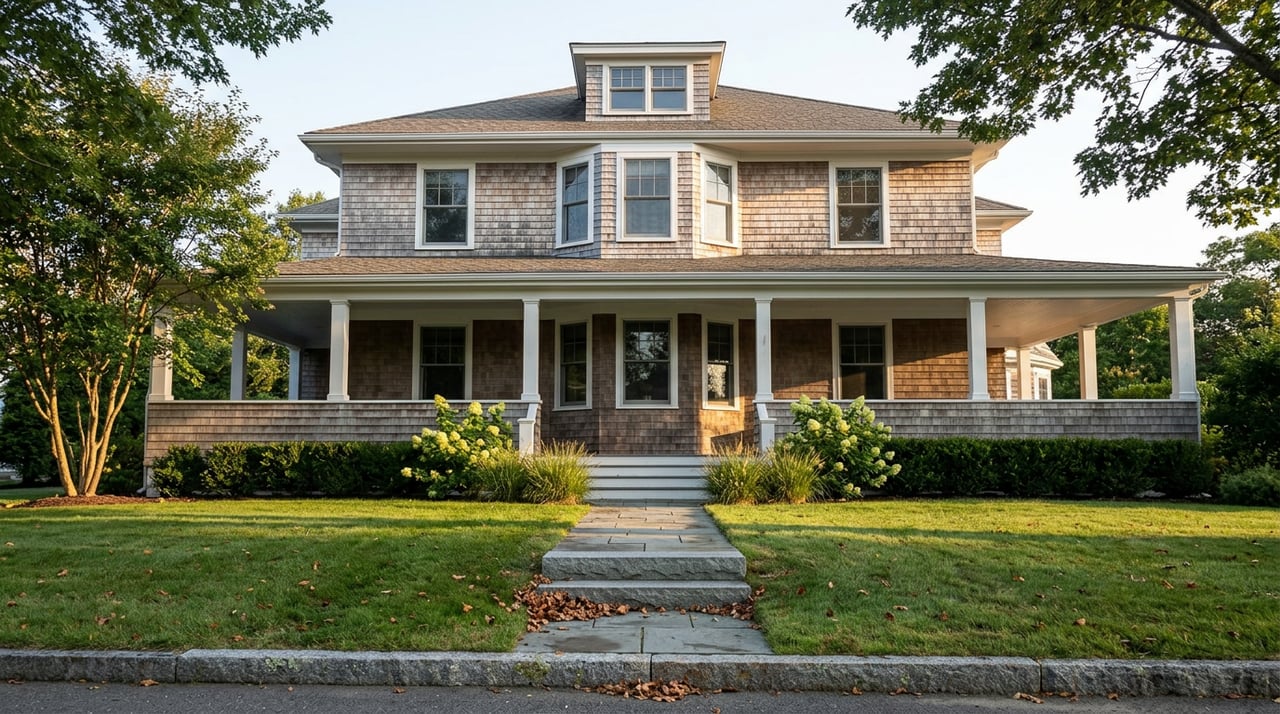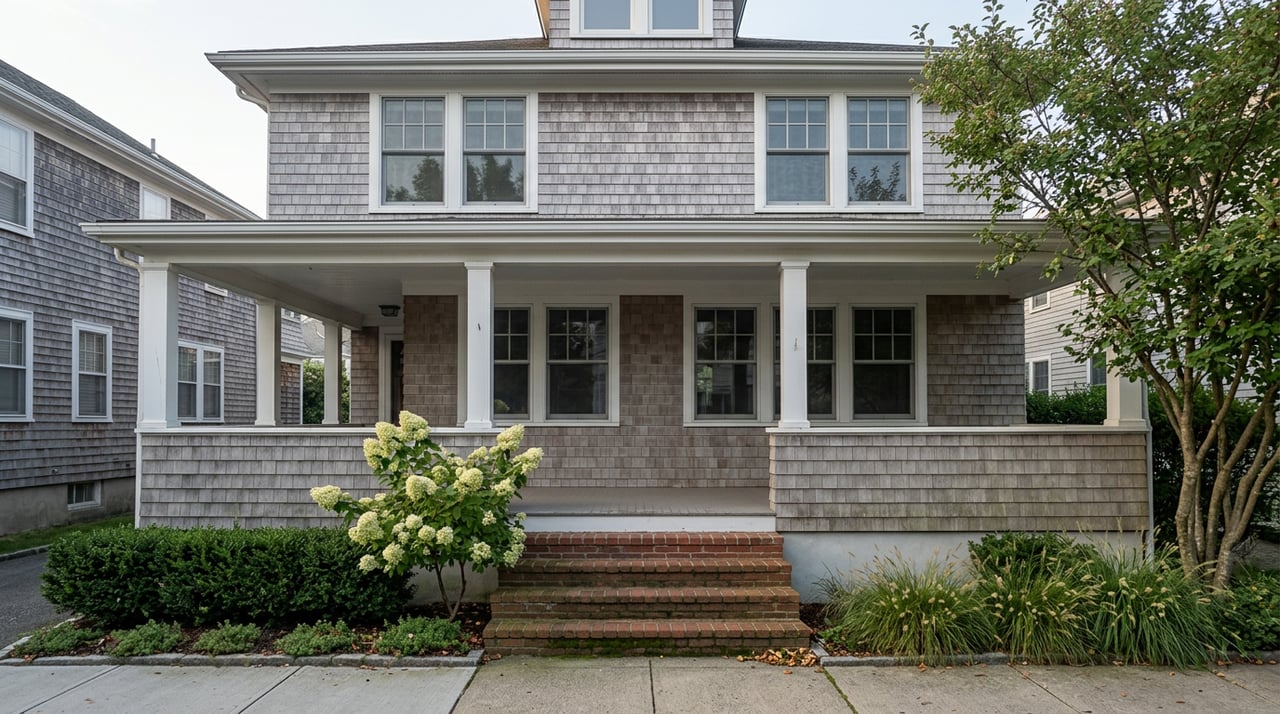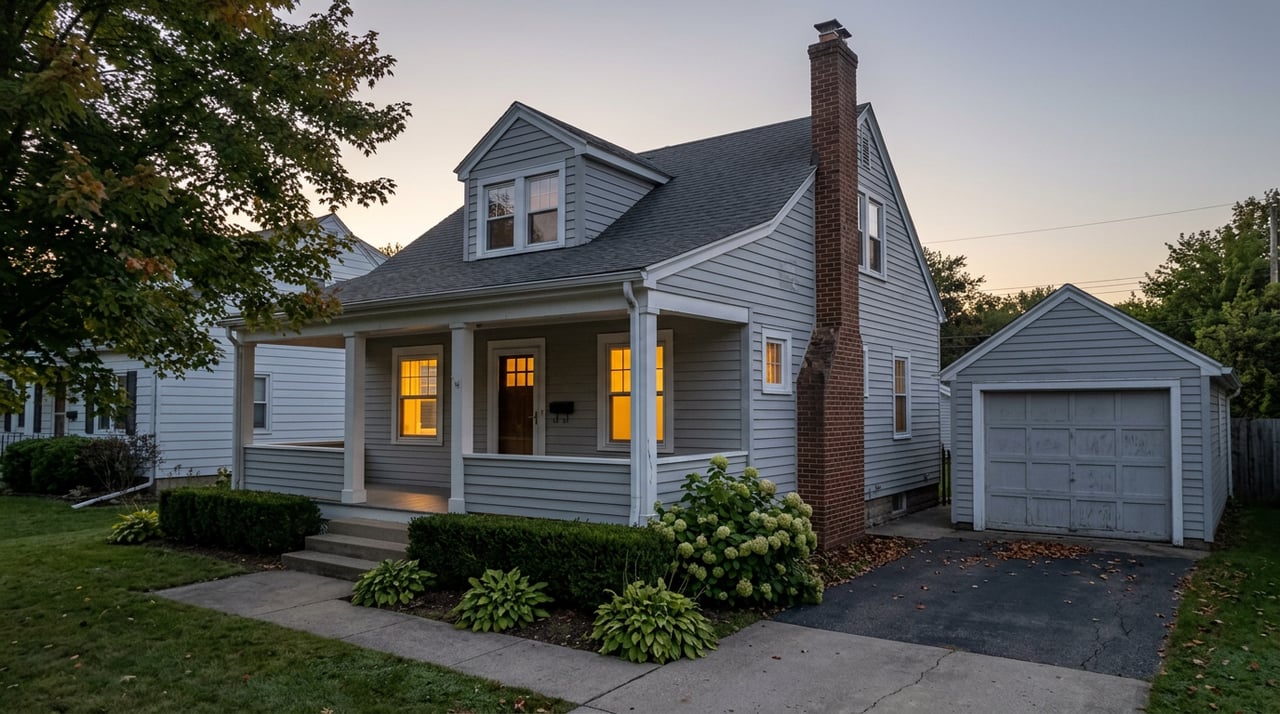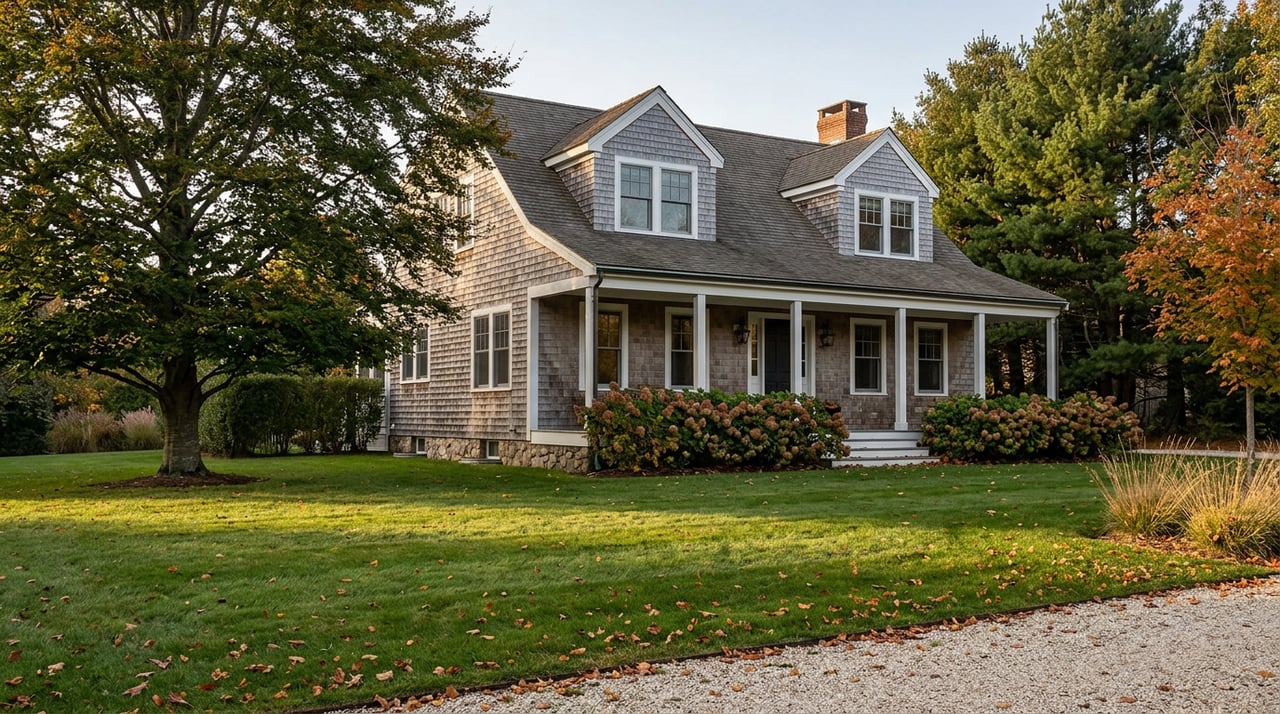
The first Saturday morning in October, a stretch of pasture on Congress Street fills with pickup trucks and folding wagons. Kids climb onto a hayride behind a tractor that spends the other 364 days doing actual farm work. Someone's grandmother is judging a pie she didn't enter, because in a neighborhood this size the volunteer running the dessert table and the person who baked the winning crumble are on a first name basis by 10:15 a.m. This is the Pumpkin Festival at Greenfield Farms, and if you have lived on Hillside Road or Bronson Road for more than a season, you already know it happens every year without fail, always free, always the first Saturday, always at 3763 Congress Street.
What you may not know is who is actually paying for it, and what else that same checkbook covers.
One Budget, Two Very Different Line Items
The Pumpkin Festival is not a Town of Fairfield event. It is not run out of a parks department or funded by tax dollars. It belongs to the Greenfield Hill Improvement Society, a homeowners' group that has existed for decades under the deliberately old fashioned mission of "maintaining the rural character" of the neighborhood. GHVIS is a 501(c)4, which means membership dues fund its programming, and according to the Society's own foundation page, those same dues cover the Pumpkin Festival, the December Christmas tree lighting, the newsletter, and something considerably less festive: the Conservation Commission and Plan and Zoning issues that keep Greenfield Hill's two acre minimum lots intact.
"The Greenfield Hill Village Improvement Society (GHVIS) and its membership dues will still fund community events such as the annual Pumpkin Festival, the Christmas tree lighting, newsletters, and the Conservation Commission and Plan & Zoning issues."
Read that twice. The organization throwing the harvest party for your kids is the identical organization filing comments on subdivision applications and pursuing conservation easements to keep development off open land. There is no separate zoning committee down the hall. It is the same forty or so active members, the same dues, the same folding table at the same festival, funding both the hayride and the fight to keep the next parcel from becoming four half acre lots.
The festival itself has a founding story that fits the pattern: it was started by two residents, Anne Carter and Dee Dee Brandt, not hired by anyone, just neighbors who decided the harvest deserved a gathering and built one from scratch. That is how most of Greenfield Hill's calendar came to exist. Nobody was assigned to do it. Somebody simply did.
A Neighborhood Run by Three Old Institutions, Not One New One
Widen the lens past GHVIS and the pattern repeats with different names attached.
Up the road, the Greenfield Hill Grange No. 133, chartered in 1893, held its own agricultural fair this year on August 22 at the Grange grounds on Hillside Road. Same general shape as the Pumpkin Festival, judged exhibits, produce and baking contests, crafts, live music, but a completely separate institution with its own building and its own century old membership rolls. It answers to nobody at GHVIS.
Down at the other end of the neighborhood, the Greenfield Hill Congregational Church, founded in 1725, anchors the historic green on Old Academy Road and runs its own decades old spring Dogwood Festival timed to the roughly 30,000 dogwood trees that bloom across the neighborhood each May, plus a separate fall craft show organized entirely through the church, not the Society and not the Grange.
Three institutions. Three separate founding centuries. Three completely different volunteer boards. None of them coordinate with Fairfield's municipal parks and recreation department, because there is no municipal infrastructure built for this neighborhood the way there is for a downtown with a Main Street and a Chamber of Commerce. Greenfield Hill has no downtown. It has Greenfield Hill Commons at 75 Hillside Road, a single retail cluster, and that is effectively the whole commercial footprint.
Which is exactly where the fourth thread shows up.
The Same Handful of Names, Again
Every Saturday from mid May through the end of October, the Commons hosts the Greenfield Hill Farmers Market, ten to one, on the green in front of the shops. It has run for years with a rotating cast of local farmers and artisans, plus a newer weekly story hour where Fairfield Public Library teen volunteers read to kids on blankets on the lawn. The market's longtime sponsor is Ed Bocchino, who owns Lexington Home and Garden at the Commons itself. He is not a paid coordinator brought in from outside. He is a merchant on the same block, sponsoring the thing that brings foot traffic past his own storefront, in a neighborhood small enough that the sponsor and the shopper and the vendor all recognize each other's cars in the lot.
This is the actual mechanism behind Greenfield Hill's calendar, and it is worth naming plainly because it explains something the postcard version of this neighborhood never does. A place with two acre zoning and 200 feet of required frontage does not get a walkable Main Street, a bandshell, or a municipal events staff. What it gets instead, if it gets anything at all, is whatever a small number of long term residents are willing to organize themselves, on their own land, on their own time, funded by their own dues. Greenfield Hill got lucky. It got three institutions old enough and stubborn enough to keep doing this, generation after generation, without waiting for the town to do it for them.
What's Actually Left on the Calendar This Fall
If you are trying to plan around what's real and current rather than what a neighborhood guide from five years ago still lists, here is where things stand as of this September:
- The Pumpkin Festival at Greenfield Farms runs the first Saturday of October, which lands on October 3 this year, at 3763 Congress Street. Free admission, hayrides, pumpkin decorating, scarecrow making.
- The Greenfield Hill Farmers Market at the Commons is in its final stretch of the season. The market has historically run its last Saturday in late October, so there are still several weekends left to catch it before it closes for the winter.
- The Grange Fair already happened this year, on August 22, so mark your calendar for next August rather than this one.
- The Christmas tree lighting, GHVIS's other signature event, follows in December, details to come from the Society closer to the date.
None of this is complicated to attend. What is worth understanding is why it exists in this particular shape, spread across three separate organizations instead of one town calendar, and why that fragmentation has held together for a hundred years or more without anyone consolidating it into something tidier.
Why the Fragmentation Is the Point
It would be easy to read three overlapping volunteer groups as inefficient, and in a town with a real downtown it probably would be. But Greenfield Hill's whole identity rests on not having that kind of centralized infrastructure. The same commission fighting a subdivision application is the commission stringing lights on the tree in December. The same church that anchors the green in 1725 photographs is the one hosting a craft fair on that same green three centuries later. The same merchant sponsoring your kids' story hour is standing twenty feet from his own shop door while he does it.
That overlap is not an accident of small town charm. It is the actual load bearing structure of how this neighborhood keeps its rural character intact while still having somewhere to bring a pumpkin, a jar of jam, or a folding chair on a Saturday morning. Understanding that is different from just knowing the festival dates. It is knowing why the festival dates keep happening at all.
If you are curious about what else shapes daily life or property decisions on this side of Fairfield, the team at The John Hackett Team has spent years working these streets and is always glad to talk through what makes a specific block, road, or corner of Greenfield Hill tick, whether or not a move is anywhere on your radar.